Wondering what it really takes to sell a waterfront home in Orchard Lake? You are not just preparing a house for the market. You are preparing shoreline details, lake access records, disclosures, pricing strategy, and presentation that buyers will examine closely. If you want a smoother sale and a stronger first impression, the key is to plan early and prepare thoroughly. Let’s dive in.
Understand the Orchard Lake market
Selling in Orchard Lake Village is different from selling in a larger, more predictable market. Inventory is limited, and a small number of sales can quickly shift market stats from month to month. That means your pricing and launch strategy should be based on current conditions, not broad averages.
As of May 2026, Redfin reported a citywide median sale price of $1.61 million and a median of 36 days on market. Its waterfront snapshot showed just 4 waterfront homes for sale, a median listing price of $2.0 million, and about 48 days on market. Realtor.com reported 13 active listings in April 2026 and described the city as a buyer’s market in March 2026, while Redfin called it somewhat competitive.
That difference does not necessarily mean the data conflicts. In a very small market like Orchard Lake Village, sample size can shape the story. The practical takeaway is simple: your waterfront home needs a pricing plan built around active competition, recent lakefront sales, and how your shoreline features compare.
Why broad value averages can mislead
You may see citywide home value numbers that look lower than expected for a waterfront property. For example, Zillow’s citywide home-value index was $969,686 as of May 31, 2026. That figure reflects all homes and should not be used as a shortcut for lakefront pricing.
Waterfront value depends on factors that standard averages often miss. Frontage, views, shoreline condition, dock setup, outdoor living areas, and access details can all influence how buyers see the property. In Orchard Lake, those differences matter even more because there are so few comparable homes at any given time.
Prepare shoreline records before listing
For waterfront sellers, paperwork is part of presentation. Buyers often fall in love with the view first, but they usually move to due diligence quickly. If your file is organized before the home goes live, you can answer questions faster and reduce friction during the sale.
Michigan EGLE oversees many activities that affect inland lakes. That includes dredging, filling, structures on bottomlands, marinas, and common land-water improvements such as docks, piers, boat hoists or lifts, boardwalks, fences, and decks.
Gather permits and improvement history
If your property has shoreline work, collect the records now rather than later. This is especially important if you have a seawall, erosion-control work, dredging history, or modified shoreline. Buyers will want to know what was done, when it was done, and whether it was properly documented.
Helpful items to gather may include:
- EGLE permits or applications
- Contractor invoices and scope of work
- Surveys or engineering documents
- Seawall or shoreline stabilization records
- Dock, lift, or hoist documentation
- Photos or records of past exterior improvements
If planned work is still incomplete, timing matters. EGLE notes that a Joint Permit Application may be required for certain projects, and permit review commonly takes 30 to 90 days once a complete application is received. Spring and summer are also the busiest seasons, so waiting too long can create avoidable delays.
Check local waterfront-yard compliance
A waterfront home can show beautifully and still run into questions if exterior features do not align with local rules. Orchard Lake Village’s zoning code addresses waterfront-yard issues such as fences, natural barriers, driveways, decks, setbacks, and view protection for adjacent properties.
Before listing, it is smart to review any shoreline screening, gates, plantings, play structures, or deck additions. You do not want a buyer to discover a possible compliance concern after showing strong interest. A quick pre-listing review can help you avoid last-minute surprises.
Features worth reviewing closely
Pay special attention to exterior elements that affect the waterfront edge or nearby views. These are the kinds of details buyers often ask about when evaluating use, maintenance, and future plans.
Consider reviewing:
- Shoreline plantings and screening
- Fence placement near the water
- Deck additions or expanded patios
- Driveway placement in waterfront-yard areas
- Play structures or accessory features near setbacks
- Any feature that may affect adjacent sightlines
Make the shoreline photo-ready
With a waterfront home, the shoreline is part of the product. Buyers are not only shopping for square footage and finishes. They are also evaluating how the property lives outside, how it looks from the water, and whether the lakefront setting feels turnkey.
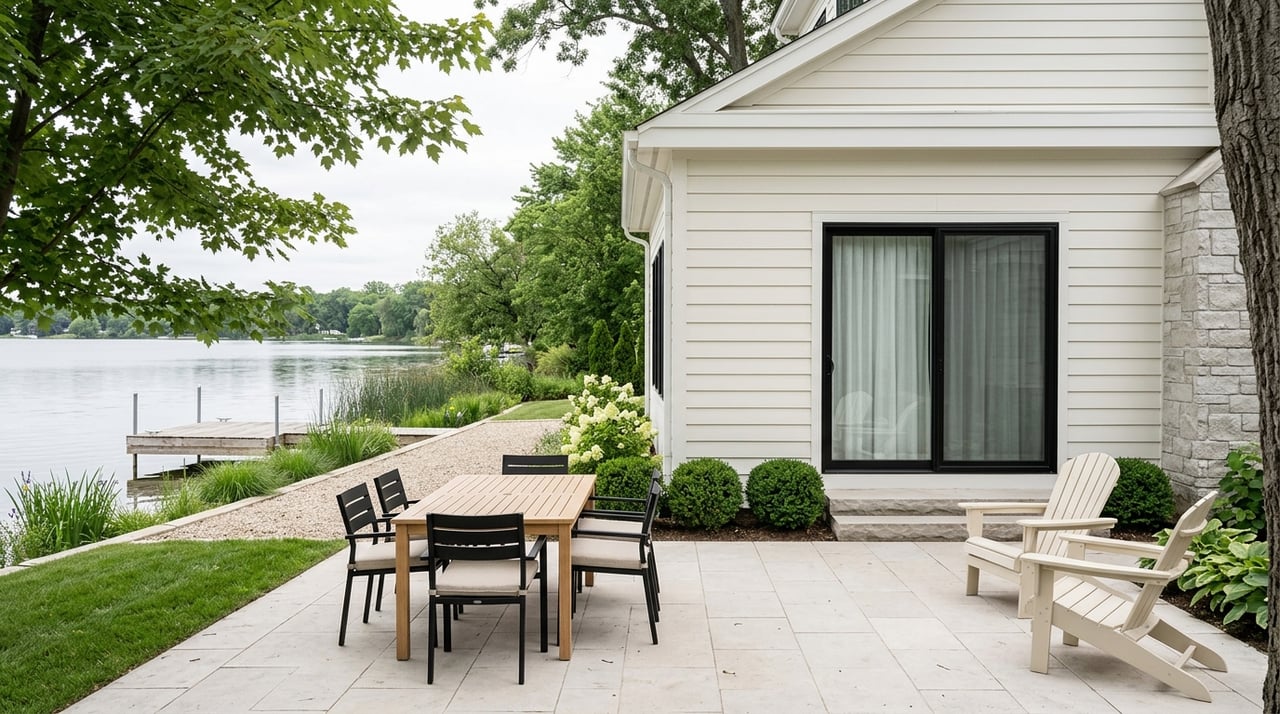
That means your preparation should go beyond interior staging. Cleaning, decluttering, window cleaning, and curb appeal all matter, but they should extend to the shoreline itself. Your dock, seawall, beach or riprap, patio, exterior lighting, and lake views should be ready before the first photo or video shoot.
Focus on first impressions outside
A polished waterfront presentation helps buyers connect emotionally with the home. It also helps your marketing stand out in a premium, visual-first segment of the market.
Before media day, consider this checklist:
- Clear seasonal clutter from the yard and shoreline
- Clean the dock, patio, and exterior seating areas
- Trim landscaping that blocks key lake views
- Make sure outdoor lighting is working
- Tidy the beach, riprap, or waterline edge
- Remove unused equipment and storage items
- Clean windows to improve interior-to-water views
When buyers scroll through listings, the first few images often determine whether they book a showing. On a waterfront property, the outdoor story needs to be just as strong as the interior one.
Time your launch for the setting
Timing can affect both presentation and momentum. National sell-timing research from Realtor.com shows that spring remains the peak selling window, even though the exact best week can vary by year and location.
For Orchard Lake, that supports a simple strategy: launch when the property looks its best. If the lawn is still patchy, the trees are bare, or the waterline and outdoor living spaces are not ready, waiting a bit longer may create a stronger first impression.
Plan early for spring and summer prep
This is especially important if shoreline work or exterior improvements are part of your prep plan. EGLE says spring and summer are the busiest seasons for permit processing, so last-minute projects can create stress and delays.
If you want to list in peak season, start preparing well in advance. That gives you more time to handle records, exterior touch-ups, and marketing production without rushing the process.
Expect detailed buyer questions
Waterfront buyers tend to ask more questions, and for good reason. They are not just buying a home. They are also evaluating shoreline features, access rights, maintenance obligations, and future usability.
Michigan’s Seller Disclosure Act requires a written disclosure statement before a binding purchase agreement is executed in most residential sales. The statutory form asks about items such as flood insurance, shared features with adjoining owners, encroachments, easements, zoning violations, common areas or HOA control, settling, flooding, drainage issues, damage from wind or floods, utility and municipal assessments, and pending litigation.
Build your disclosure file before you list
The more complete your file is at the start, the easier it is to respond with confidence. It can also reduce the chance of delays once a buyer is under contract.
Useful documents to organize include:
- Survey and legal frontage description
- Tax bills
- Dock and hoist records
- Seawall or shoreline permits
- Easement or shared-access documents
- HOA materials, if applicable
- Records of flooding, drainage, or water intrusion work
- Insurance-related history connected to shoreline issues
Michigan law also warns that real property tax obligations can change significantly when property is transferred. That is another issue buyers may ask about early, especially in a high-value waterfront purchase.
Use high-impact marketing for a niche property
A waterfront home in Orchard Lake deserves more than standard listing photos. In a small luxury submarket, presentation can shape both interest level and perceived value.
Strong digital media matters because many buyers begin their search online, and some are willing to make major decisions based on virtual presentation. NAR’s 2025 Confidence Index found that 7% of buyers purchased a home based only on a virtual tour, showing, or open house without physically seeing it.
What strong waterfront marketing should highlight
For a lakefront listing, your marketing should capture both facts and feeling. Buyers want to understand the property, but they also want to imagine the experience of living there.
Your marketing should clearly show:
- Shoreline and water views
- Dock and boating setup
- Patio, deck, or outdoor entertaining space
- Window lines that frame the lake
- Frontage and access features
- Twilight or evening ambiance, if available
- The home’s position within the lot and waterfront setting
For sellers in Orchard Lake, this is where a marketing-first strategy can create a real edge. Professional photography, video, drone footage, and polished listing media help tell the full story of a property that may have only a few true competitors.
Prepare for a smoother sale
The best waterfront listings usually feel effortless to the buyer, but that smooth experience comes from serious preparation behind the scenes. When you combine accurate pricing, organized records, waterfront-yard review, strong disclosures, and polished media, you put yourself in a better position from day one.
In Orchard Lake Village, details matter because the market is small and expectations are high. If you prepare early and present the property well, you give buyers fewer reasons to hesitate and more reasons to act.
If you are thinking about selling a waterfront home in Orchard Lake, the right plan can make all the difference. The Logan Wert Real Estate Group brings local Oakland County insight, clear communication, and a marketing-first approach designed to help your home stand out.
FAQs
What should you do first before selling a waterfront home in Orchard Lake?
- Start by gathering shoreline records, permit history, disclosure documents, and recent property details so you can price and prepare the home with fewer delays.
What documents do buyers want for an Orchard Lake waterfront home?
- Buyers often ask for surveys, legal frontage descriptions, dock and hoist records, seawall or shoreline permits, easement documents, tax bills, HOA materials if applicable, and records tied to flooding or drainage.
Do shoreline improvements in Orchard Lake need permits?
- Many inland lake projects in Michigan may require EGLE review or a Joint Permit Application, including work tied to docks, lifts, dredging, filling, or shoreline protection.
Why is pricing a waterfront home in Orchard Lake tricky?
- Orchard Lake Village is a very small market, so a few sales can quickly shift pricing data, and broad citywide averages do not capture lakefront features like frontage, views, and shoreline condition.
When is the best time to list a waterfront home in Orchard Lake?
- Spring is often a strong selling window, but the best timing is when your lawn, shoreline, trees, dock, and outdoor living areas are ready to show at their best.