If you want a place that feels different from a typical suburban neighborhood, Franklin stands out right away. The village pairs historic character, larger lots, and a quieter pace with practical access to the rest of Oakland County. If you are considering a move here, it helps to understand how Franklin’s homes, streets, and village center shape daily life. Let’s dive in.
What makes Franklin feel unique
Franklin is a small village in Southfield Township with a 2020 population of 3,139. Its village charter states that Franklin was organized to preserve a rural-like environment and the identity of historic Franklin. That focus still shows up in how the village looks and feels today.
The historic district was listed on the National Register of Historic Places in 1969. According to village materials, it was the first historic district in Michigan to receive that designation. That history is not just a footnote. It helps explain why Franklin feels more village-scaled and preservation-minded than many nearby communities.
Village planning documents describe narrow, winding, tree-lined roads, limited signage, and a strong rural character. Instead of a conventional suburban grid, you will find a setting shaped by landscape, preservation, and a compact center. For many buyers, that is the main reason Franklin leaves such a strong impression.
Franklin homes and lot sizes
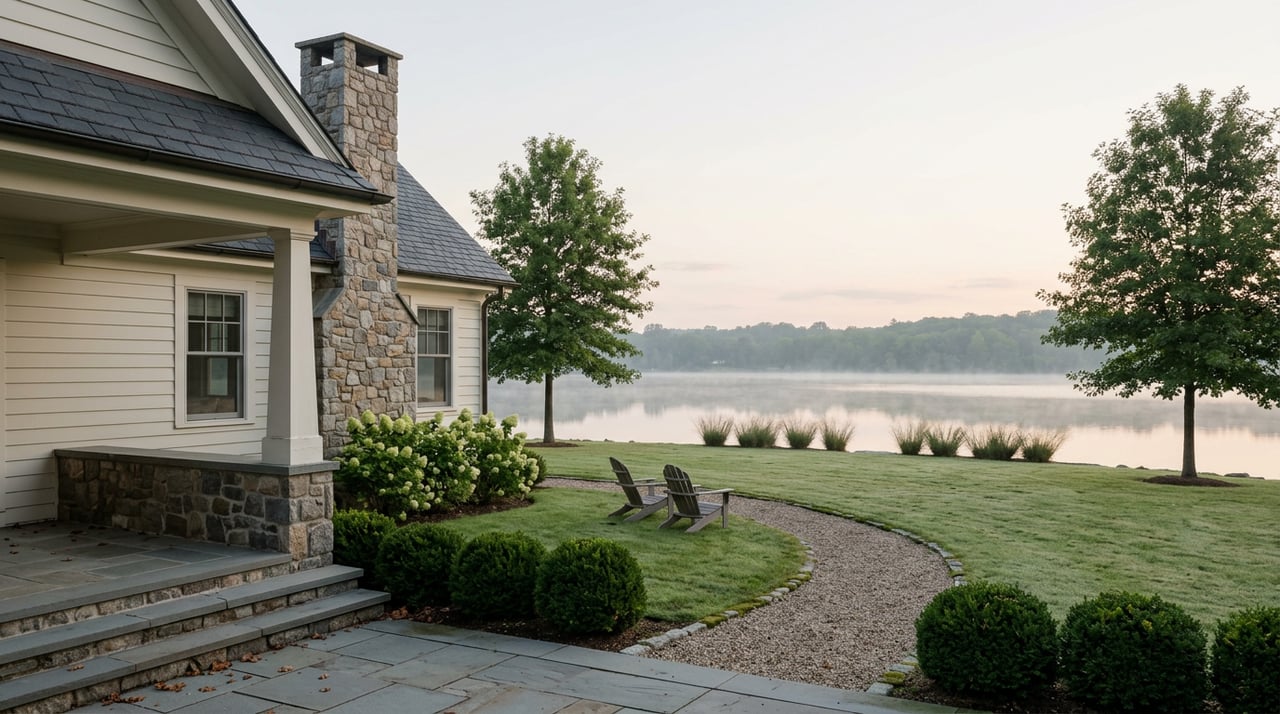
One of the biggest draws in Franklin is the way homes sit on the land. Village planning material says the average residential lot is slightly larger than one acre, and more than 20 homes sit on three acres or more. That gives many properties an estate-like feel by suburban standards.
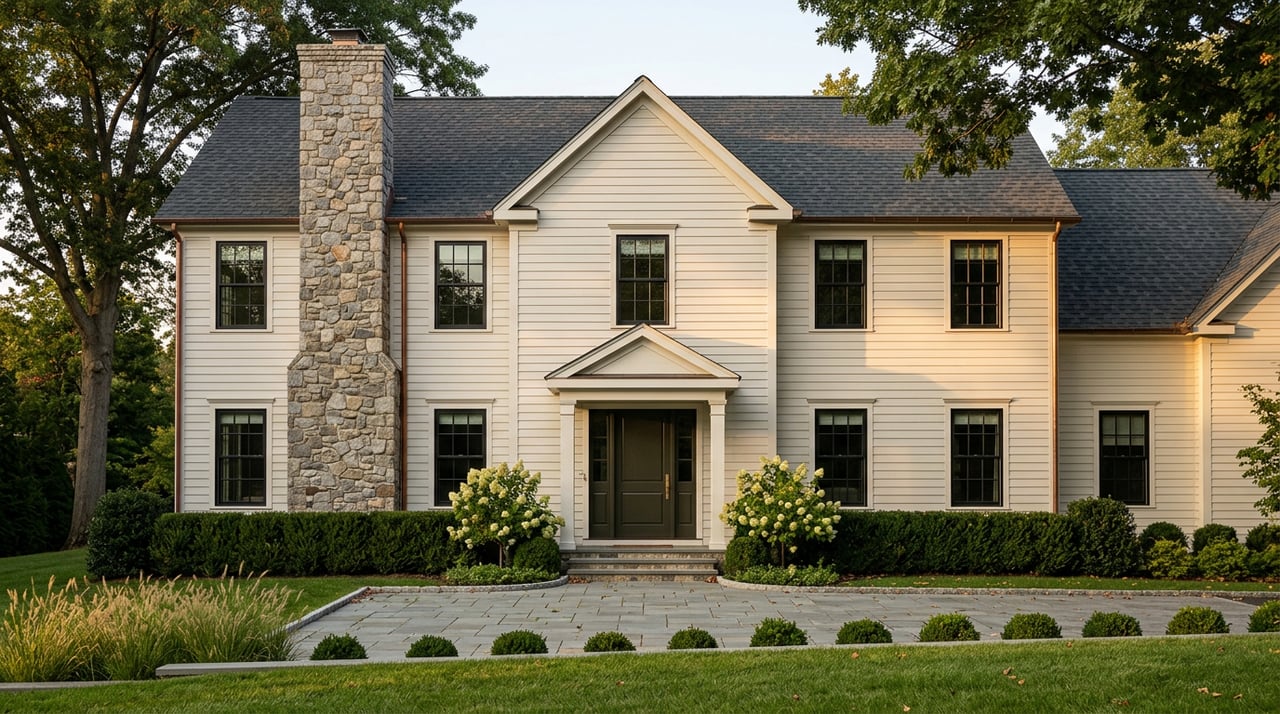
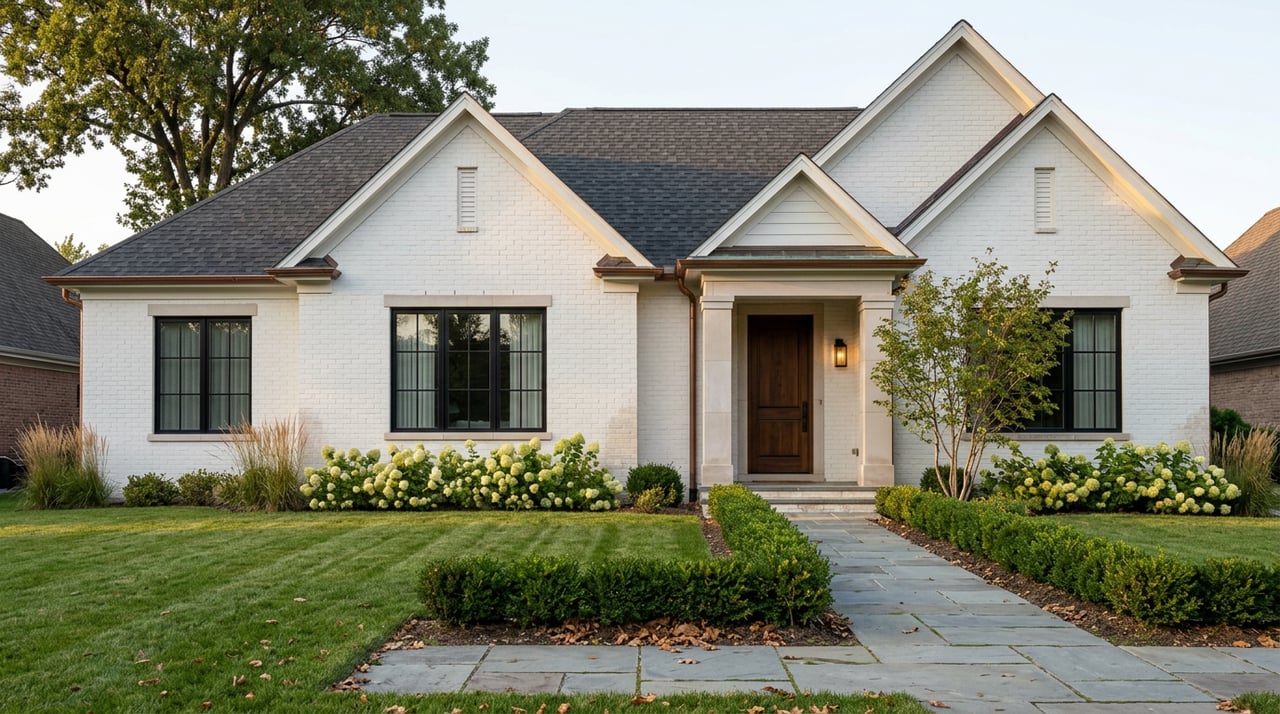
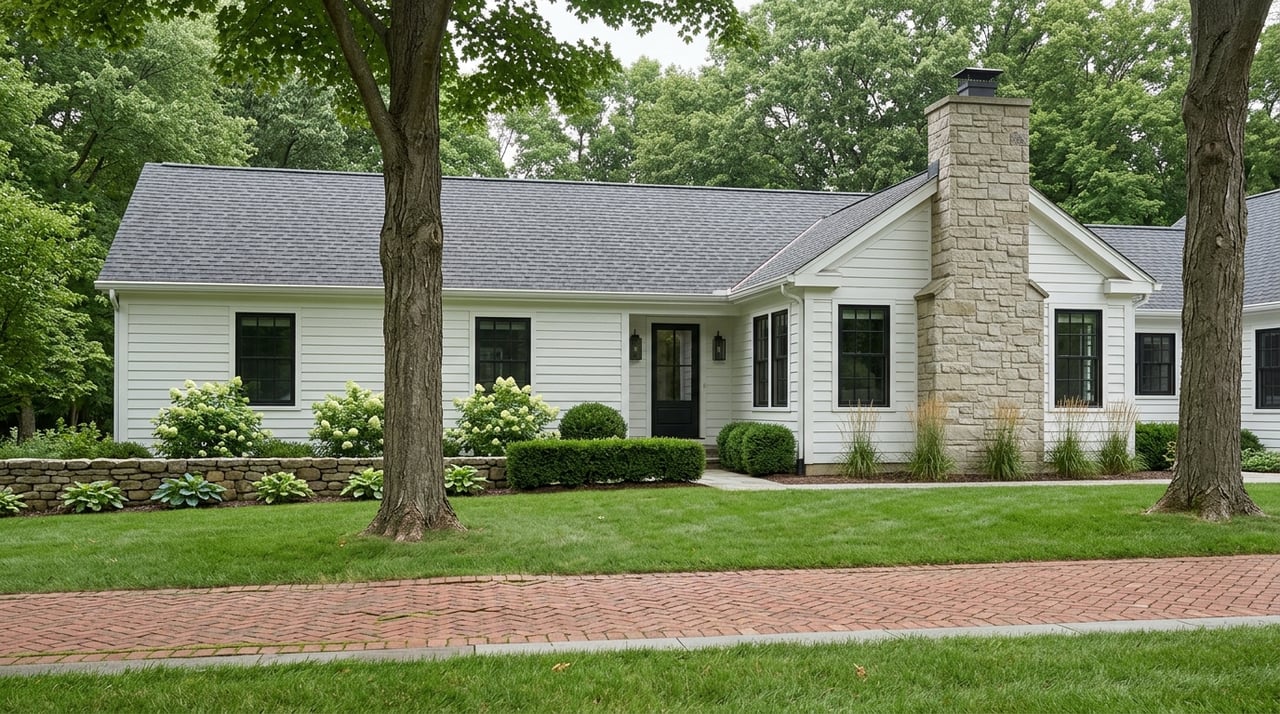
The housing stock is also varied rather than uniform. Village documents describe a mix of contemporary, classic, and historic homes. That means you may see everything from older homes with period details to newer custom residences developed around the village over time.
Within the historic district, common architectural styles include Greek Revival, Vernacular, Queen Anne, Colonial Revival, American Foursquare, and Craftsman. Outside that early settlement core, newer subdivisions and later homes developed after World War II. As a buyer, that mix can create more options if you want either historic charm, updated living spaces, or something in between.
Historic district rules to know
If you are drawn to a home in Franklin’s historic district, it is important to understand the review process. According to the village’s historic district guidelines, exterior alterations, demolition, and new construction are reviewed by the Historic District Commission. Interior work is not subject to that design review.
For buyers, this matters because ownership in the historic district can come with added planning for exterior projects. At the same time, those standards help preserve the historic core that makes Franklin so distinctive. If you value long-term character and consistency in the streetscape, that can be a meaningful benefit.
Village center and community feel
Franklin’s sense of community is easiest to see in its village center. Official village material says the core includes the Village Green, Village Hall, Franklin Public Library, Franklin Community Center at Kreger House, the police station, and Franklin Community Church. These civic landmarks help anchor the village in a way that feels local and connected.
The village also describes the center as a small historic commercial area with owner-operated specialty shops and service businesses. Residents can shop, bank, get gas, and stop for coffee or a restaurant in the village center. Traffic is described as calm but steady, which fits Franklin’s overall pace.
Open spaces, pedestrian and bike paths, and narrow two-lane streets connect parts of the village center. Planning materials note that these routes follow natural features such as woods and the Franklin River. That combination of preserved landscape and small-scale amenities adds to the everyday appeal.
Local traditions add to the atmosphere
Franklin’s community feel is not only about buildings and streets. Village planning material highlights long-running traditions such as the Labor Day Round-Up, which dates back to 1944. Longstanding events like that often help reinforce a sense of place over time.
Another well-known local anchor is the Franklin Cider Mill. The mill states that it has operated since 1837 and highlights its mill experience, market, and Apple Shack as part of the draw. It also notes that it supports the village’s unique shops and restaurants, which speaks to Franklin’s active but small-scale local center.
For buyers comparing communities, these details matter. They show that Franklin offers more than attractive homes. It also offers a recognizable village identity with places and traditions that many residents value.
Commuting from Franklin
Franklin feels quiet and preserved, but it is not cut off from the rest of the region. Village planning documents say access is convenient because I-696 is to the south, Telegraph Road is to the east, and Northwestern Highway plus Twelve, Thirteen, and Fourteen Mile Roads provide additional access. That road network helps connect the village to the broader Oakland County corridor.
The same plan notes that residents commute to Auburn Hills, Birmingham, Detroit, Farmington Hills, Southfield, Troy, and other areas for work and daily needs. So while Franklin itself is not a dense retail hub, it remains well positioned for people who want a more residential setting without giving up regional convenience.
This balance is a major part of Franklin’s appeal. You get a village atmosphere and preserved character, while still having straightforward access to surrounding business, shopping, and dining areas.
School district context in Franklin
Birmingham Public Schools says it serves students in Franklin. The district notes that its interactive boundary map is the official way to confirm eligibility by address. If schools are part of your home search, that address-level confirmation is an important step before you make a decision.
The district reports more than 7,500 students across 15 school locations, including eight elementary schools, two middle schools, and two high schools. That broader service area includes several nearby communities as well. For buyers, the key takeaway is simple: verify the specific address so you have clear, accurate information as you narrow your options.
Who Franklin may fit best
Franklin can be a strong match if you want a home with more land, more privacy, and a setting that feels established rather than newly built out. It may also appeal to you if you value historic character, winding roads, mature trees, and a community with a clear local identity.
It may be especially worth a closer look if you are comparing Franklin with more conventional suburban neighborhoods nearby. In many suburbs, the appeal centers on uniform subdivisions, busier commercial corridors, or newer street layouts. In Franklin, the appeal is different. The village offers a preserved, low-density environment with a compact civic and commercial core.
That does not mean every home here looks the same or that every buyer wants the same thing. It means Franklin offers a distinct lifestyle choice. If you are looking for a place where architecture, lot size, history, and community feel all play a visible role, Franklin deserves serious consideration.
What to watch for as a buyer
When you search for a home in Franklin, keep these practical points in mind:
- Lot size can shape maintenance needs. Larger properties may offer privacy and space, but they can also require more upkeep.
- Historic district location matters. If a home is in the historic district, exterior changes may need review by the Historic District Commission.
- Home styles vary. Franklin includes historic homes, postwar development, and newer residences, so it helps to be clear on your priorities.
- The village is residential by design. Many errands and work trips may extend into nearby communities.
- Address verification is important. School attendance and other location-specific details should always be confirmed by property address.
A clear plan helps you narrow the right fit faster. In a market where setting and property characteristics matter this much, local guidance can make a real difference.
Why local guidance matters in Franklin
Franklin is not the kind of place you understand fully from a map search alone. The feel of the roads, the relationship between the historic core and later development, and the difference between one pocket of the village and another all matter when you are evaluating value and fit.
That is where hyper-local insight becomes useful. If you are buying, you want to know how a property compares not just on price, but on lot pattern, setting, architectural style, and long-term usability. If you are selling, you need a strategy that highlights the features that make Franklin special in the first place.
At Logan Wert Real Estate Group, the focus is on clear communication, local market knowledge, and a marketing-first approach that helps buyers and sellers make smart decisions. If you are considering Franklin and want guidance tailored to your goals, connect with Logan Wert Real Estate Group.
FAQs
What is historic village living like in Franklin, Michigan?
- Historic village living in Franklin means a preserved, low-density setting with a compact village center, tree-lined winding roads, larger lots, and a strong focus on historic character.
What types of homes are found in Franklin?
- Franklin includes a mix of historic, classic, and contemporary homes, with architectural styles in the historic district such as Greek Revival, Queen Anne, Colonial Revival, American Foursquare, Vernacular, and Craftsman.
Are Franklin lots larger than nearby suburban neighborhoods?
- Yes. Village planning material says the average residential lot is slightly larger than one acre, and more than 20 homes sit on three acres or more.
What should buyers know about Franklin’s historic district?
- If a property is in the historic district, exterior alterations, demolition, and new construction are reviewed by the Historic District Commission, while interior work is not subject to design review.
Is Franklin convenient for commuting in Oakland County?
- Yes. Village planning documents say Franklin has convenient regional access through I-696, Telegraph Road, Northwestern Highway, and Twelve, Thirteen, and Fourteen Mile Roads.
Which school district serves Franklin homes?
- Birmingham Public Schools says it serves students in Franklin, and the district’s official boundary map should be used to confirm school eligibility by address.