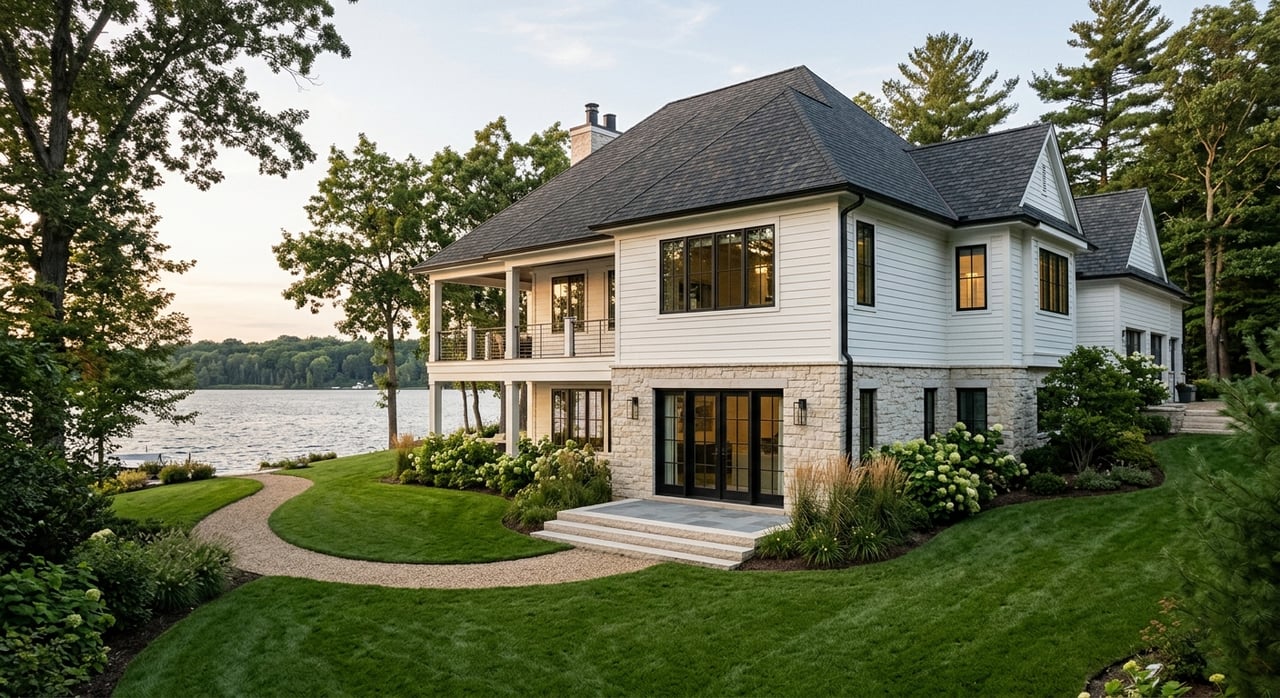
Selling a lakefront home in West Bloomfield is not the same as selling a typical suburban property. Buyers are not only judging your house, they are also evaluating the shoreline, the lake access, the dock setup, and the rules that come with waterfront ownership. If you want to sell with confidence, it helps to understand what makes this process different, what buyers will ask, and how to position your home clearly from day one. Let’s dive in.
Why lakefront sales are different
West Bloomfield Township is uniquely lake-oriented. According to the West Bloomfield Township Master Plan, the township includes 28 lakes plus many smaller ponds used for boating, swimming, and fishing.
That matters because your property is more than a house with a nice view. It is a waterfront asset, and buyers usually look at features beyond square footage and finishes. They want to know how the lake lives, how the shoreline functions, and what rights come with the property.
In West Bloomfield, many lakes also have boards or associations. That means buyers may expect answers about lake use, access, maintenance expectations, and any rules that affect docks, boating, or shoreline changes.
What buyers focus on most
When a buyer tours a lakefront home, they often assess the water just as closely as the home itself. In many cases, the lake-related details influence value as much as the interior condition.
Important features often include:
- Type of access, such as direct frontage, deeded access, or association-based access
- Amount of usable shoreline frontage
- Water depth and dock usability
- Shoreline condition and seawall status
- Privacy and view orientation
- Outdoor living areas near the water
- Whether the dock or waterfront improvements are compliant and transferable
The township master plan notes that lakes in West Bloomfield vary significantly, from shallow nutrient-rich lakes to deeper, cooler lakes. Because of that, two waterfront homes in the same township may not appeal to buyers in the same way, even if the houses themselves are similar.
Pricing should start with waterfront comps
One of the biggest surprises for sellers is that township-wide averages do not tell the full story. As of February 2026, Realtor.com showed West Bloomfield as a seller’s market with 222 homes for sale, a median listing price of $445,000, a median of 37 days on market, and a 98% sale-to-list ratio, according to the township-cited market context.
Those numbers are useful for broad context, but a lakefront property usually needs a more specific pricing strategy. Waterfront value is often shaped by scarcity, frontage, views, legal access, and shoreline usability, not just interior updates or price per square foot.
Research on lake premiums also supports this idea. A waterfront valuation study found that lakefront homes, access-only homes, and non-lake homes can fall into very different value bands, with shoreline length and deeded access affecting price.
For you as a seller, that means you should expect a pricing conversation built around same-lake or similar-access comps whenever possible. A strong pricing plan should account for the lake experience your property offers, not just the structure sitting on the lot.
Timing matters for lakefront listings
Lakefront homes are highly visual. Buyers want to see the shoreline, the outdoor spaces, and how the property connects to the water. That is one reason timing can matter more here than it might for a standard inland home.
According to Realtor.com’s 2026 Best Time to Sell report, the week of April 12 through April 18 is the best week to list nationally based on pricing, demand, and market pace. For a West Bloomfield lakefront home, spring timing can be especially helpful because buyers can better evaluate landscaping, shoreline condition, dock placement, and lake views.
That does not mean every lakefront home should wait until spring. It does mean presentation and timing should be intentional, especially if your waterfront features are a major part of the value story.
Visual marketing needs to do more work
A lakefront listing usually needs a stronger visual package than a typical suburban home. Buyers are trying to understand both the layout of the house and the waterfront lifestyle, so the marketing should make both easy to see.
The National Association of Realtors 2025 Home Buyers and Sellers Generational Trends report found that 83% of internet-using buyers rated photos as very useful, 41% said virtual tours were very useful, and 29% said videos were very useful.
For a lakefront home, that means your marketing should clearly show:
- The shoreline and water view
- Dock location and lake access points
- Outdoor seating or entertaining areas
- The relationship between the home and the water
- Key interior spaces that support lake living
- Any unique lot shape, frontage, or privacy advantages
This is where a marketing-first strategy can make a real difference. Clear visuals, thoughtful listing copy, and broad digital distribution help buyers understand why your specific waterfront property stands apart.
Disclosures are a major part of the sale
Lakefront buyers tend to ask more detailed questions, and that makes disclosures especially important. In Michigan, the Seller Disclosure Act applies to most transfers of one to four residential dwelling units and requires a written seller disclosure statement before a binding purchase agreement is executed.
The disclosure form covers a range of systems and conditions, including items such as well and pump, septic tank and drain field, city water, and city sewer. The form is not a warranty, and if you do not know the answer to a specific item, the form allows that item to be marked unknown.
If your home was built before 1978, federal lead-based paint rules may also apply. The EPA’s lead-based paint disclosure guidance says sellers and agents must disclose known lead hazards, share available records, and give buyers a 10-day period to test for lead-based paint hazards.
Waterfront permits and rules can affect buyer confidence
One of the most important parts of selling a lakefront home is being prepared to address compliance questions. Buyers may want to know whether your dock is allowed, whether a seawall was properly installed, or whether any shoreline work needed permits.
West Bloomfield’s local ordinance is especially relevant here. According to the township’s Chapter 12 ordinance, noncommercial seasonal docks that extend no more than 50 feet from the ordinary high water mark do not require a use permit if they do not obstruct reasonable boat traffic.
That same ordinance also regulates off-season storage. It states that off-season storage runs from November 1 through March 31, and from April 1 through October 31 only one licensed and operable boat or watercraft may be parked in the driveway on qualifying waterfront properties.
The township code also states that seawalls must be installed at or above the ordinary high water mark and must preserve existing shoreline contours. These are the kinds of details that can come up during buyer due diligence, so it helps to gather documentation early if any dock, seawall, or shoreline work has been done.
State environmental oversight can also matter
Some waterfront questions go beyond local code. The Michigan Department of Environment, Great Lakes, and Energy, or EGLE, oversees many activities involving inland lakes and streams.
According to EGLE’s Inland Lakes and Streams program, permits may be required for activities such as dredging, filling, structures on bottomlands, interference with natural water flow, marina changes, and certain canal or ditch connections.
If a buyer asks whether the shoreline can be changed or whether a project is possible in the future, this matters. EGLE also notes that its wetland map viewer is useful for screening purposes but is not intended to determine exact jurisdictional boundaries.
Questions you should be ready to answer
A smooth sale often comes down to preparation. If you can answer likely waterfront questions early, buyers tend to feel more informed and more comfortable moving forward.
Common questions include:
- Is the lake access direct, shared, deeded, or association-based?
- Is the dock legal, and is it included in the sale?
- Are there any lake board or association rules that affect use?
- Has the seawall been repaired or replaced?
- Were permits needed for any shoreline or waterfront improvements?
- Are there any wetland, floodplain, or water-quality concerns?
- Are there known issues involving aquatic invasive species or harmful algal blooms?
In a market like West Bloomfield, these are not unusual questions. They are part of how buyers assess the full value and future use of a waterfront property.
How to prepare before listing
If you are thinking about selling, a little upfront work can make the process much smoother. The goal is to reduce uncertainty and present your home as a well-understood, well-marketed waterfront opportunity.
A smart prep list often includes:
- Confirm your access type and any lake-related documents.
- Gather records for docks, seawalls, shoreline work, or other improvements.
- Review what you know for seller disclosures.
- Check whether older-home lead disclosure rules apply.
- Plan photography, video, and marketing around the lake features.
- Build pricing around true waterfront comps, not just nearby non-lake sales.
This kind of prep helps you avoid delays, answer questions quickly, and market the property with more authority.
What to expect overall
Selling a lakefront home in West Bloomfield usually involves more strategy than a standard home sale. Pricing is more nuanced, marketing needs to be more visual, and buyer questions tend to be more detailed.
The good news is that this kind of property can also stand out in a powerful way when it is positioned correctly. In a township known for its lakes, a well-prepared seller can turn waterfront complexity into a real advantage.
If you are thinking about selling your lakefront home and want a clear plan for pricing, presentation, and marketing, connect with Logan Wert Real Estate Group. You will get a relationship-first, marketing-driven approach designed to showcase what makes your property truly valuable.
FAQs
What makes selling a lakefront home in West Bloomfield different from selling a regular home?
- Buyers usually evaluate the lake, shoreline, access rights, dock setup, and local rules along with the home itself, so pricing, disclosures, and marketing tend to be more detailed.
What should pricing for a West Bloomfield lakefront home be based on?
- Pricing should usually rely on waterfront comps, ideally from the same lake or a similar access class, because frontage, views, and water access can affect value more than township-wide averages.
What disclosures are required when selling a lakefront home in Michigan?
- Most one-to-four unit residential sales require a written seller disclosure statement under Michigan law, and older homes may also require federal lead-based paint disclosures.
Do docks and seawalls affect a West Bloomfield lakefront home sale?
- Yes. Buyers may ask whether docks and seawalls are compliant, included in the sale, or installed with any required permits, so it helps to gather records before listing.
When is the best time to list a lakefront home in West Bloomfield?
- Spring is often especially effective because buyers can better see the shoreline, dock, landscaping, and water views, and Realtor.com identified April 12 to 18 as the best listing week nationally for 2026.
What should marketing include for a West Bloomfield lakefront listing?
- Marketing should clearly show the shoreline, water access, dock placement, outdoor lakefront living areas, and the connection between the home and the water through strong photos, video, and detailed listing information.