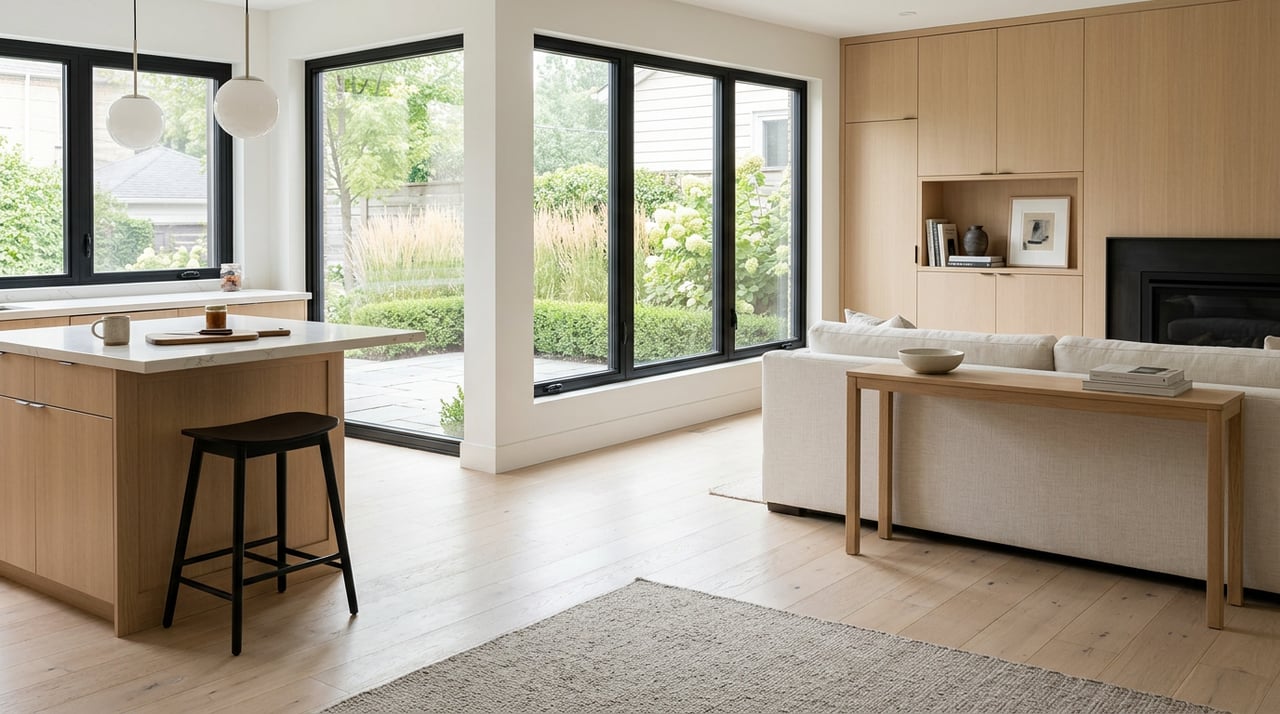
Is a walkable downtown lifestyle calling your name, or do you picture quiet evenings in a private backyard? If you are deciding between a Birmingham condo and a nearby single-family home, you are not alone. Both paths work well here, but they deliver very different day-to-day experiences and long-term costs. In this guide, you will learn how prices, lifestyle, HOA dues, maintenance, financing, and resale factors stack up in Birmingham and the surrounding Oakland County suburbs. Let’s dive in.
Birmingham snapshot: prices, pace, and what to expect
Before you compare options, anchor your expectations. Market headlines often use different metrics that can look far apart. For example, a portal’s median listing price today is not the same as the median sale price over the past 12 months. As of March 2026, analytics from sources like Redfin show how choice of metric shifts the headline, which is common in high-demand markets like Birmingham. You can review how these figures are reported in Redfin’s city page to see the differences and time frames involved (market methodology context).
The key takeaway: look at ranges and live examples, not just a single citywide number. In Birmingham, downtown condos create an attainable entry point near Old Woodward, while single-family homes cover a wide spectrum from modest in-town houses to luxury estates.
Condos in downtown Birmingham: lifestyle and numbers
Walkability and everyday convenience
If you want to live steps from dining, boutiques, coffee, gyms, and parks, Birmingham’s core delivers. Central Old Woodward addresses post Walk Scores in the high 80s to 90s, with 300-plus shops and restaurants and frequent events that make car-light living realistic (see a representative Walk Score map). Many buyers choose condos for the convenience, security, and lock-and-leave ease that a staffed building can provide.
Parking and guest access
Downtown parking is well organized. The city documents five municipal garages and roughly 3,400 off-street spaces with a mix of hourly and permit options. Most condo buildings include at least one assigned space or valet-style service, but always verify your unit’s parking, guest rules, and any related fees in writing (review the city’s parking plan).
Typical condo price ranges with examples
Condos near Old Woodward span a wide range based on building, floor, size, and finish levels:
- Compact 1-bedroom units in full-service buildings have sold or listed around $225,000 to $350,000. One Birmingham Place 1-bed closed at roughly the low end of that range in late 2025 (see an example unit at Birmingham Place).
- Larger or renovated 1-bed and small 2-bed units often list in the $300,000 to $700,000 bracket. Recent downtown listings illustrate the spread tied to building and updates (view a representative downtown listing).
- Upper-tier 2–3 bedroom condos and penthouses can exceed $1,000,000, especially in luxury buildings with extensive services (browse the Birmingham Place building profile).
When you compare units, confirm which utilities are included and whether parking or storage carries separate fees.
HOA dues and what they cover
Association dues commonly cover exterior and common-area maintenance, a master insurance policy, staff, elevator and amenity upkeep, landscaping and snow removal for shared areas, and reserves. Coverage varies by building, so you should always review the association budget and master insurance certificate to see exactly what is included (quick HOA overview).
In Birmingham, monthly HOA dues for many downtown buildings often fall in the $300 to $800+ range, with large units and high-service towers running higher. Building pages and unit listings show the specifics for each address (see an example showing dues on a unit page).
Reserves and Michigan rules
Michigan’s Condominium Act requires associations to maintain reserve funds for major repairs and replacement of common elements. Lenders and project reviewers often expect to see a budget that dedicates a practical reserve contribution. You should request the most recent budget, reserve balance, and any reserve study to assess long-term health (Michigan Condominium Act reference).
Financing checkpoints for condos
Condo lending reviews the building as well as your personal file. FHA, Fannie Mae, and Freddie Mac maintain project eligibility standards around reserves, insurance, litigation, owner-occupancy, and delinquency levels. A project that does not meet these guidelines can limit loan options or push buyers to larger down payments. Ask early whether a building has current approvals and whether local lenders are comfortable with the project (condo financing primer).
Single-family homes near Birmingham: space and flexibility
Lifestyle advantages
Homes within 1 to 3 miles of downtown provide private yards, more storage and garage space, and greater separation from neighbors. If you want outdoor living areas, a workshop, or room for activities, a house offers flexibility. Seasonal landscaping and snow removal are part of ownership, so plan your time and budget accordingly (context on local housing and neighborhoods).
Price ranges and live examples
Early 2026 activity shows a broad band of asking prices: roughly $550,000 for smaller, older in-town homes up through $1,000,000 to $3,000,000+ for extensively remodeled or newer-build residences close to town. Representative examples include recent listings at about $549,000, $799,000, $1.09M, $1.7M and $2.45M, which highlight the tradeoffs between location, lot size, and level of renovation (see a sample active listing page).
Ongoing costs you control
With a house, you manage more line items directly. A common planning rule is to budget 1 to 3 percent of the home’s value per year for maintenance and repairs, with older homes trending higher (maintenance budgeting guidance). Lawn care in the Birmingham area often runs $40 to $100+ per visit in season depending on yard size and frequency, and you should factor winter snow removal as well (lawn care cost ranges).
Property taxes are driven by local millages and home values. Birmingham’s materials explain how tax dollars are allocated and how the city’s levy fits into the overall bill. Because property values are higher here, typical tax bills reflect that reality even if the city’s millage is competitive (city tax overview).
Budget check: condo dues vs. house upkeep
Use this quick approach to compare apples to apples:
- Condo: Add principal, interest, taxes, HO‑6 insurance, any utilities not covered by the HOA, parking or storage fees, and monthly HOA dues. Review the budget and minutes to see if assessments are likely.
- House: Add principal, interest, taxes, homeowners insurance, average utilities, lawn and snow services, and a maintenance reserve using the 1 to 3 percent guideline. Include any near-term projects like a roof or HVAC replacement.
In practice, many condo buyers trade variable exterior costs for a predictable HOA. Many house buyers accept variable maintenance in exchange for more space, privacy, and control.
Resale factors that really move the needle
For condos
Association financial health, reserves, special assessment history, building systems, litigation status, rental rules, and agency approvals (FHA and the GSEs) all influence how quickly a condo will resell and how large your buyer pool will be. Project-level problems can slow a sale even in a strong location (why project reviews matter).
For single-family homes
Lot quality, floor plan functionality, condition of major systems, and the quality of renovations are consistent resale drivers. If schools are part of your decision set, confirm district and building assignments directly through the district resources before you write an offer (Birmingham Public Schools information).
Who typically chooses what? Three quick snapshots
Downtown professional or couple without kids. You want proximity, predictability, and easy travel. A downtown 1-bedroom condo around $300,000 can offer a great entry; larger or updated units around $450,000 to $650,000 add space and finish. Expect HOA dues in the $300 to $800+ range depending on unit size and services (see a representative downtown listing).
Empty-nester downsizer. You want a smaller footprint with strong services and security. Full-service buildings downtown fit well, and yes, dues are higher because care and capital projects are bundled. Compare the dues against what you will stop spending on lawn, snow, exterior maintenance, and utilities in a larger house (review a luxury building context).
Growing family prioritizing space and yard. You value bedrooms, storage, and outdoor play areas. Target homes from roughly $700,000 to $2,000,000+ in surrounding neighborhoods based on size, updates, and lot features. Align the search with your planned daily routine and confirm school assignment as needed (neighborhood and housing context example).
Quick decision checklist
If you are leaning condo
- Request the current association budget, last audited or compiled financials, reserve balance, and any reserve study or capital plan (what to ask for).
- Ask for the last 12 months of association meeting minutes and a list of any pending or recent special assessments (project review essentials).
- Verify the master insurance coverage and what your HO‑6 must cover (HOA insurance basics).
- Confirm assigned parking, guest parking rules, and any separate storage or valet fees (city parking context).
- Check whether the project has FHA, VA, or GSE approvals and which lenders are actively financing units there (financing overview).
If you are leaning single-family
- Collect age and maintenance history for roof, HVAC, water heater, windows, and other key systems. Get estimates for any visible deferred work. Budget 1 to 3 percent per year for ongoing maintenance as a planning rule (maintenance guidance).
- Review site practicals: driveway and curb access, yard usability, and any zoning constraints if you plan additions. If schools are relevant, verify assignment with the district (district resources).
Ready to compare places live?
When you want clarity, seeing a few options side by side helps. We can line up a downtown condo at your target price, a mid-range house with a yard, and an upgraded home closer to town, then run a true monthly comparison that includes HOA dues or estimated upkeep. If off-market or coming-soon options are a fit, we will surface those too.
If you are ready to weigh your next move, connect with the Logan Wert Real Estate Group. We pair local market intel with modern, marketing-first service to help you buy with confidence or sell for maximum impact.
FAQs
What are typical condo prices in Birmingham MI in 2026?
- Entry 1-bed units near Old Woodward often fall around $225,000 to $350,000, larger or updated 1–2 bed units around $300,000 to $700,000, and upper-tier condos can exceed $1,000,000. See examples in downtown buildings like Birmingham Place (building context here) and a representative listing snapshot (example listing).
How do condo HOA dues work in Birmingham?
- Dues typically cover exterior maintenance, master insurance, amenities, and reserves, with many downtown buildings showing $300 to $800+ per month depending on unit size and services. Always review the budget, insurance, and reserves for the exact building (HOA overview; example with dues).
Is financing harder for condos than houses?
- It can be. Lenders review the condo project’s reserves, insurance, litigation, owner-occupancy, and delinquency. Buildings that do not meet FHA or GSE guidelines can limit your loan choices or require larger down payments (financing primer).
How much should I budget to maintain a house near Birmingham?
- A common planning guideline is 1 to 3 percent of the home’s value per year for maintenance and repairs, with older homes often trending higher. Add lawn and snow services to your monthly plan as needed (budgeting guidance; lawn care cost ranges).
How walkable is downtown Birmingham if I buy a condo?
- Central Old Woodward addresses often score in the high 80s to 90s for walkability, with hundreds of shops, restaurants, and services within a short walk, plus multiple municipal garages and lots for parking (Walk Score example; city parking plan).