Wondering why Huntington Woods feels so visually distinct the moment you drive in? It is not just the trees, or the charming historic homes, or the tidy front yards. It is the way architecture, lot sizes, and streetscape all work together. If you are buying, selling, or simply trying to understand what gives this city its appeal, this guide will help you spot the home styles that define Huntington Woods and the curb appeal details that matter most. Let’s dive in.
Why Huntington Woods Looks the Way It Does
Huntington Woods reads as a leafy, mostly single-family community rather than a spread-out big-lot suburb. Oakland County land-use data shows 482.4 acres of single-family residential land, which makes up 51.6 percent of the city’s mapped land area.
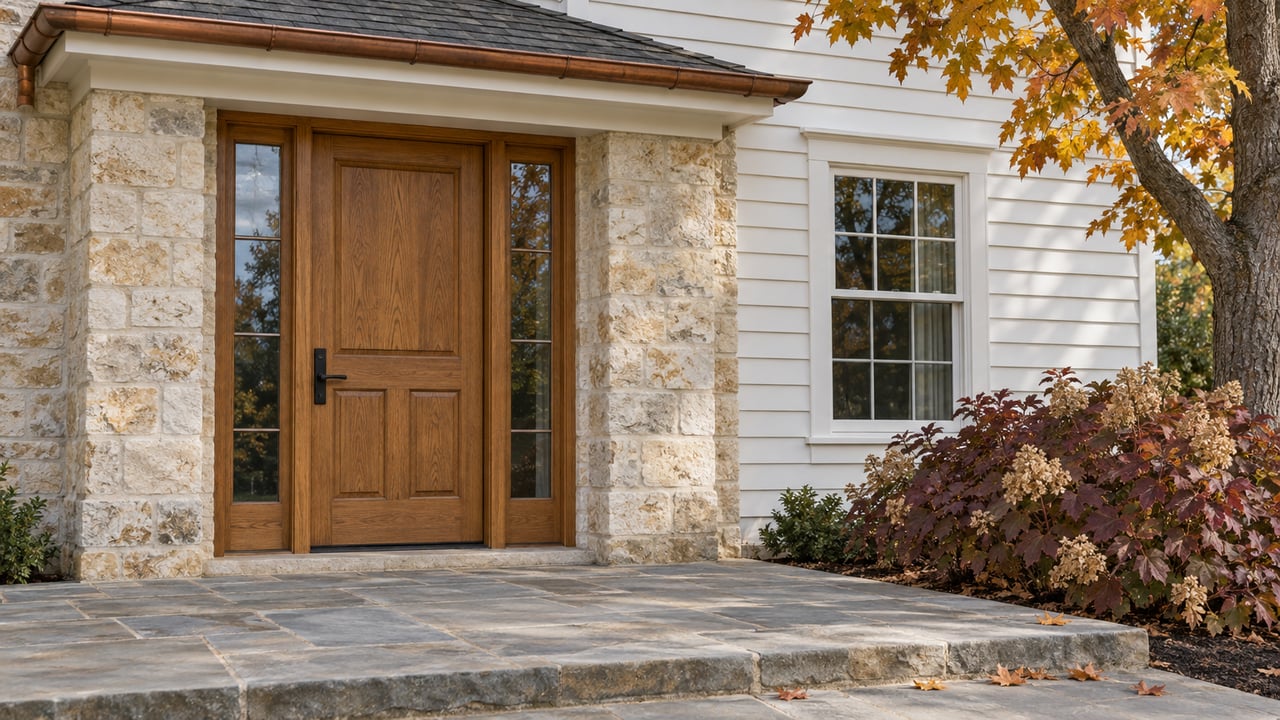
That pattern shapes how homes present from the street. Most single-family acreage falls on lots under 8,000 square feet, with smaller shares in the 8,000 to 13,999 and 14,000 to 43,559 square-foot ranges. In practical terms, curb appeal here usually comes from architecture, front-yard planting, porch detail, and mature trees rather than oversized setbacks.
The city’s planning materials also point to topography and tree-lined streets as defining natural features. Mature oak trees line many streets and sidewalks, and nearby green-space buffers like Rackham Golf Course and the Detroit Zoo reinforce the area’s established, shaded feel.
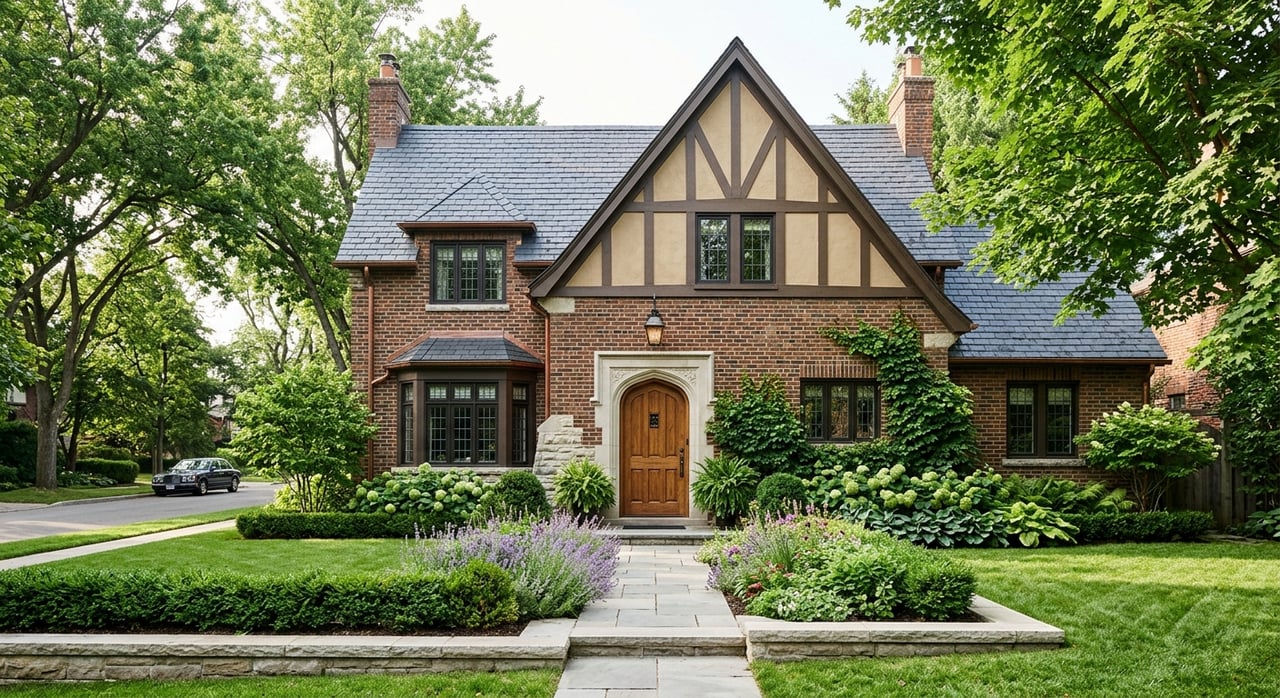
Tudor Revival Defines the Classic Look
If you picture Huntington Woods in your mind, there is a good chance you are picturing a Tudor. In the Hill Historic District, the city says Tudor is the most prevalent architectural style, with most homes there built in the 1920s and 1930s.
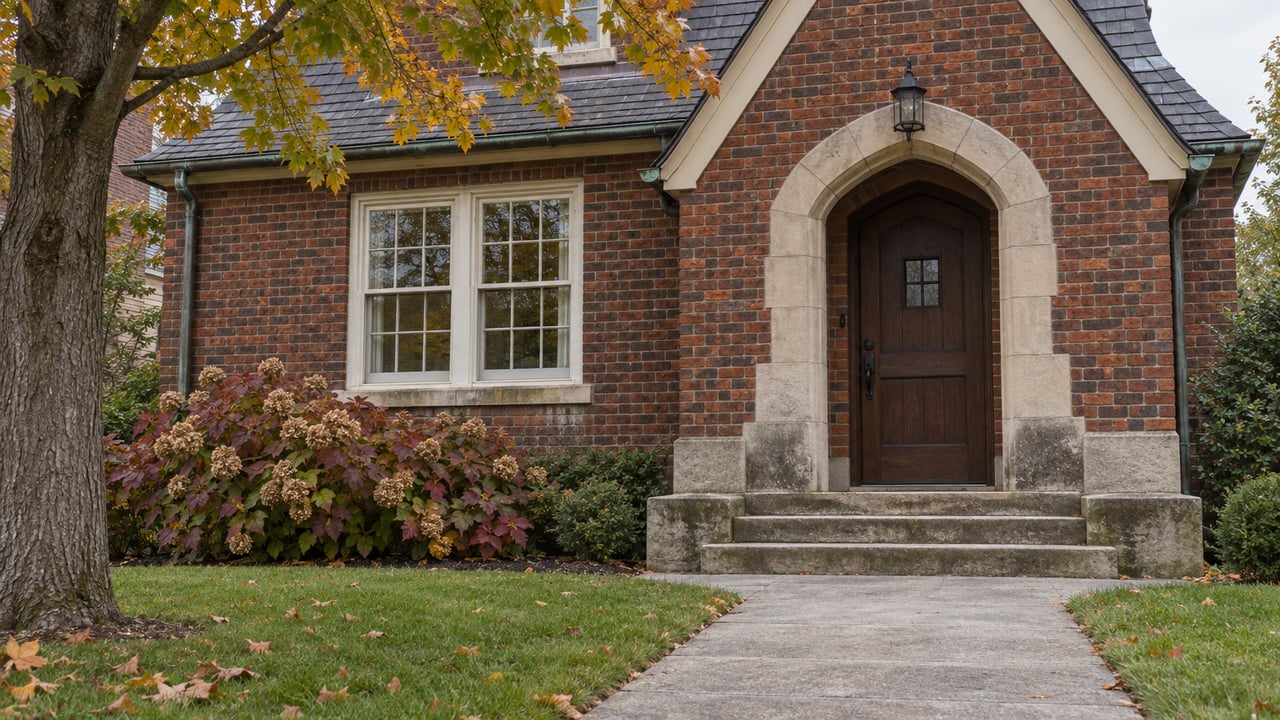
From the street, Tudor Revival homes tend to make a strong first impression. Common features include steep rooflines, cross gables, half-timbering, prominent chimneys, narrow multi-pane windows, masonry or stucco walls, and arched or gabled entries.
That combination creates visual texture even on a modest lot. A Tudor does not need a huge front yard to stand out because the roof shape, entry details, and wall materials already do much of the work.
For sellers, that means the small details matter. Clean masonry, well-kept trim, and a front entry that feels intentional can have a big impact because buyers tend to notice those original-style features right away.
Colonial Revival Brings Balance and Formality
Colonial Revival is another major style in Huntington Woods, especially if you are looking for a more formal and symmetrical look. The city identifies the Fred A. Baker house on LaSalle Boulevard as a Colonial Revival home, and that early neighborhood history still shows up in the city’s architectural mix.
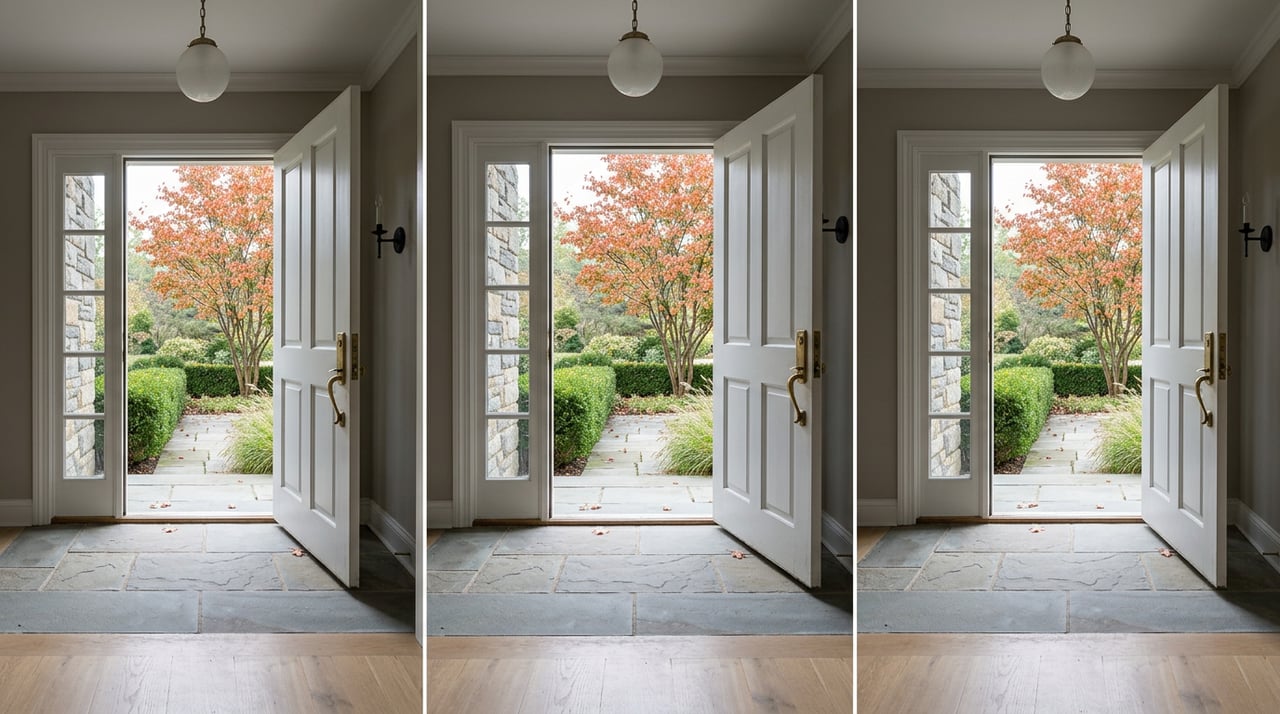
Colonial Revival homes typically draw from Federal and Georgian design traditions. Common features include symmetry, gabled or hipped roofs, front porches, columns or pilasters, fanlights or sidelights, and double-hung windows.
In Huntington Woods, these homes often feel composed and balanced from the curb. Window placement, centered entries, and clean rooflines usually create a more orderly appearance than the storybook effect you often see in Tudors.
For buyers, this style can feel timeless and polished. For sellers, curb appeal often depends on keeping that symmetry clear with tidy landscaping, a defined front walk, and a front elevation that feels uncluttered.
Ranches, Cape Cods, and Bungalows Add Variety
Huntington Woods is not only about Tudors and Colonials. City planning documents also identify Bungalows, Cape Cods, and Ranches as part of the city’s early- and mid-20th-century housing stock.
That variety is a big part of what makes the city feel layered rather than repetitive. One block may read as deeply historic and highly detailed, while another feels quieter, simpler, and more postwar in character.
Ranch homes, in particular, bring a different curb appeal formula. Instead of steep rooflines and decorative entries, they tend to rely on horizontal lines, overhanging eaves, large windows, and a more relaxed indoor-outdoor feel.
A local modern example helps show that shift. The Jesse Spencer House, built in 1938 and identified as Eero Saarinen’s first independent commission, is described as a simple brick box with horizontal bands of windows and a low-pitched gable roof.
For buyers, this means Huntington Woods can offer more architectural choice than you might expect. For sellers, it is a reminder that curb appeal should match the design language of the home rather than chase a one-size-fits-all look.
Lot Size Shapes Curb Appeal Here
One of the most important things to understand about Huntington Woods is that many homes sit on modest to mid-sized lots. County data shows that 84.2 percent of the city’s single-family residential acreage falls on lots under 8,000 square feet.
There are larger exceptions, and some streets have a more estate-like feel, but that is not the dominant pattern. Recent market examples suggest a mix of lots around 7,405 square feet, 8,930 square feet, and 10,019 square feet, with some larger parcels on more prominent streets.
That matters because curb appeal here is usually viewed at a closer range. Buyers are not just reacting to a big lawn. They are noticing the rhythm of windows, the shape of the roof, the care of the landscaping, and how the home sits within a tree-lined street.
If you are preparing a home for sale, that can be good news. You do not necessarily need expansive grounds to create a strong visual impression. In Huntington Woods, thoughtful presentation often carries more weight than sheer lot size.
Street Character Varies by Block
Not every part of Huntington Woods feels exactly the same, and that is part of the city’s appeal. Some blocks feel more historic and architecturally prominent, while others read as smaller-scale residential streets with a quieter look.
You may also hear market language that describes certain stretches as the front of the Woods, a premier location, or an estate section. Those terms are better understood as listing language than as formal planning categories, but they do reflect how some streets can feel more substantial than others.
For buyers, this is where local context matters. Two homes with similar square footage can present very differently depending on the block, the tree canopy, the setbacks, and the surrounding architectural style.
For sellers, street character affects how your home should be positioned. The strongest marketing usually highlights the setting as much as the house itself, especially in a city where streetscape plays such a large role in first impressions.
Historic District Rules Can Affect Exterior Changes
In Huntington Woods, preservation is not just a vibe. It is part of the city’s framework. The city says the Hill Historic District was created in 2004, and the Rackham Golf Course Historic District followed in 2006.
If a property is in a historic district, exterior changes may involve additional review. City materials say permit applications for construction, additions, alterations, and demolition in historic districts go before the Historic District Commission, and certain special land uses also require special land use approval, site plan approval, and a certificate of appropriateness.
For buyers, that means it is smart to understand the property’s district status early if you are thinking about exterior updates. For sellers, it can help to present any style-sensitive improvements clearly and show how the home fits into its historic context.
What Buyers and Sellers Should Watch For
If you are buying in Huntington Woods, focus on the details that shape day-to-day value and long-term appeal. Pay attention to architectural integrity, lot proportion, tree cover, and whether the curb appeal feels natural to the style of the house.
If you are selling, start with the basics that have the biggest visual return from the street:
- Keep landscaping neat and scaled to the lot
- Make sure the front entry feels clean and inviting
- Maintain original-style exterior details where possible
- Highlight rooflines, windows, and masonry that define the home’s style
- Present the home in a way that fits the block and streetscape
In a city like Huntington Woods, buyers often respond to homes that feel authentic to their architecture. A well-presented Tudor, Colonial, Ranch, or Cape Cod does not need to imitate another style. It just needs to show well within its own design language.
Why Style Knowledge Matters in Huntington Woods
In many suburbs, curb appeal can be reduced to fresh mulch and a clean lawn. In Huntington Woods, it is more layered than that. The city’s appeal comes from the interaction of historic architecture, modest lot patterns, mature trees, and block-by-block character.
That is why style knowledge matters whether you are buying or selling. It helps you evaluate what stands out, what feels consistent with the neighborhood, and what details may influence a home’s market impression.
If you want help understanding how a Huntington Woods home fits the market, pricing it strategically, or preparing it to make the strongest first impression, Logan Wert Real Estate Group can help you build the right plan.
FAQs
What home style is most common in Huntington Woods?
- In the Hill Historic District, Tudor is the most prevalent architectural style, according to the city.
Are Huntington Woods homes only Tudors and Colonials?
- No. City planning documents also identify Bungalows, Cape Cods, and Ranches, and the city includes examples of early modern design as well.
Are lots in Huntington Woods usually large?
- Mostly no. Oakland County data shows that most single-family residential acreage in the city falls on lots under 8,000 square feet, though some larger lots do exist.
Do historic district homes in Huntington Woods have extra exterior review?
- Yes. In the city’s historic districts, certain exterior work such as additions, alterations, construction, or demolition can go through Historic District Commission review.
What creates curb appeal in Huntington Woods homes?
- Curb appeal usually comes from architectural details, front-yard planting, entry design, rooflines, and mature tree-lined streets rather than large setbacks alone.