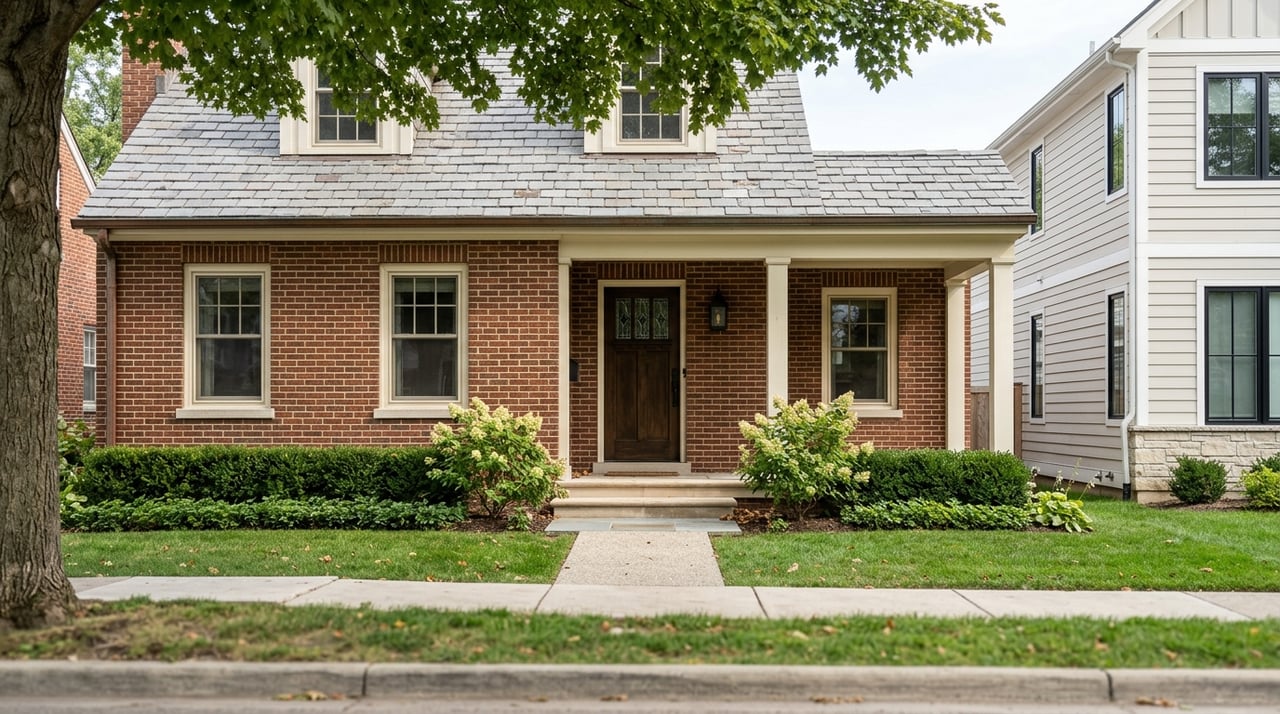
If you are house hunting in Birmingham, one question can shape your whole search: do you want the ease of new construction or the character of an older home? In this market, that choice is about more than style alone. It affects maintenance, energy performance, renovation plans, and how your home fits into Birmingham’s established streetscape. Let’s break down what matters so you can decide with confidence.
Why Birmingham Makes This Choice Different
In Birmingham, the setting matters almost as much as the house itself. The city’s 2040 Master Plan and planning materials show a clear focus on keeping development aligned with existing neighborhood character. That means buyers often need to think beyond square footage and finishes.
Historic preservation is also an active priority in Birmingham. The city’s Historic District Commission is working on a Historic Preservation Master Plan and updated Historic Design Guidelines, which shows that preservation is part of how Birmingham plans for the future. In a city with this kind of long-built identity, architectural fit can carry real weight in your decision.
Birmingham’s historic roots are visible throughout the community. City materials tied to the Birmingham Museum site in the Mill Pond Historic District highlight homes dating back to 1822 and 1928. That context helps explain why older homes feel so central to the city’s identity today.
What New Construction Looks Like in Birmingham
If you assume Birmingham has only a limited supply of new builds, current listing activity suggests otherwise. Public listing snapshots recently showed between 24 and 32 new-construction homes in Birmingham, depending on the search platform. That gives buyers real options rather than a one-off opportunity.
The new-construction inventory also covers a range of timelines and styles. Recent examples in public listings include homes on Hazel Street, Holland Avenue, Latham Street, Golf View Boulevard, and Northlawn Boulevard. Some are brand-new builds, while others are newer homes built in the last few years.
Listing descriptions for these homes tend to emphasize similar features. You will often see open layouts, large windows, quartz counters, designer kitchens, and high-end appliances. In practical terms, that usually means a more modern floor plan and less immediate updating after closing.
What Historic Homes Look Like in Birmingham
Birmingham’s older homes are not rare exceptions. Public listings show homes built in 1915, 1920, 1929, and 1940, which tells you that historic housing is an active part of the local market. In many cases, these are not frozen-in-time properties, but well-kept homes that blend original details with updates made over time.
Listing language around older homes is fairly consistent. You will often see mentions of original woodwork, hardwood floors, ornamental moldings, updated kitchens, and maintained interiors. That combination is a big part of the appeal for buyers who want charm without taking on a full restoration project.
Location also plays a major role. Historic homes in Birmingham are often tied to established blocks, mature landscaping, and proximity to downtown. In this market, buyers are often choosing not just an older house, but a particular feel and setting that newer construction may not fully replicate.
New Construction Pros
For many buyers, the biggest advantage of new construction is predictability. A new home is built to current standards, which can reduce the chances of facing major repairs or system upgrades soon after move-in. That can make budgeting feel simpler.
Energy performance is another important plus. ENERGY STAR says certified new homes are designed to be at least 10% more efficient than minimum code requirements, and its NextGen standard targets homes that are about 20% more efficient than typical code-level construction. Michigan’s current residential energy rules, effective August 29, 2025, also reflect the 2021 energy code framework, including a prescriptive window U-factor of 0.32 and whole-dwelling air leakage testing at 4 ACH50 or less.
That matters in daily life. Better insulation, tighter construction, and modern mechanical systems can support lower energy loss and more consistent comfort. If you want a home that feels turnkey from both a style and systems standpoint, new construction may be the cleaner fit.
Best fit for new construction
New construction may be the better match if you want:
- Fewer immediate repairs after closing
- More predictable energy performance
- A contemporary floor plan
- Modern finishes and appliances
- Less near-term renovation planning
Historic Home Pros
Historic homes offer a different kind of value. In Birmingham, that often means architectural detail, mature trees, established streets, and a stronger sense of connection to the city’s long-standing character. For many buyers, those features are hard to duplicate.
Older homes can also give you a chance to personalize over time. Because many Birmingham historic homes have already been updated in stages, you may be able to enjoy livable improvements now while planning future projects at your own pace. That flexibility can appeal to buyers who see potential rather than a finished product.
There is also the neighborhood factor. Birmingham’s planning approach places real emphasis on compatibility with existing homes and streetscapes. If you want a home that feels naturally woven into the city’s older fabric, a historic property may be the better fit.
Best fit for historic homes
A historic home may be the better match if you value:
- Original architectural details
- Mature landscaping and established blocks
- Proximity to downtown and long-built neighborhoods
- The opportunity to renovate over time
- A home with a strong sense of place
The Maintenance and Energy Trade-Off
This is where the choice gets practical. The Department of Energy notes that many older homes have less insulation than homes built today. Its guidance also points to windows, insulation, and heating and cooling systems as common areas where older homes may lose comfort and efficiency.
For a Birmingham buyer, that can translate into a real retrofit budget. If you buy an older home, you may want to plan for air sealing, insulation improvements, window work, or mechanical updates over time. Even a charming, well-maintained house may still need performance upgrades.
New construction usually lowers that risk in the near term. Because it starts with current code-based insulation, tighter building envelopes, and modern equipment, it is less likely to need immediate energy-related improvements. That does not make every new build perfect, but it often means fewer early surprises.
Neighborhood Character Matters Here
In some suburbs, the decision between old and new is mostly personal preference. In Birmingham, city planning adds another layer. Local materials make it clear that neighborhood character and architectural compatibility are part of the broader conversation around housing.
That means your decision may come down to how you want to live in the city’s built environment. Do you want a home that feels rooted in Birmingham’s established pattern, or one that offers newer design and performance standards? Both can be strong choices, but they deliver different experiences.
It is also worth remembering that older infrastructure can shape expectations in some areas. City materials related to the Old Woodward reconstruction note that some of the oldest water and sewer lines in Birmingham were installed in the 1940s. That does not define every property, but it is useful context when you compare established areas with newer-build pockets.
How to Decide in Birmingham
The best choice usually comes down to your tolerance for projects, your design preferences, and how much value you place on newer systems versus older character. In Birmingham, both new construction and historic homes can be premium products. This is rarely a simple price comparison.
Here is a simple way to frame it. If you want a more turnkey experience, modern layout, and fewer immediate maintenance concerns, new construction likely deserves a close look. If you care most about charm, location within established areas, and the chance to make a home your own over time, a historic property may be the stronger fit.
The right strategy is to compare homes with a clear plan. Look beyond finishes, ask how the home performs, and think carefully about what kind of ownership experience you want in the first few years. In a market like Birmingham, that clarity can save you time and lead to a better long-term decision.
Whether you are comparing a newer build or a classic Birmingham home with history, having local guidance makes a difference. For tailored insight on Birmingham and surrounding Oakland County neighborhoods, connect with Logan Wert Real Estate Group.
FAQs
What is the main difference between new construction and historic homes in Birmingham, MI?
- In Birmingham, new construction usually offers more modern layouts, updated systems, and stronger baseline energy performance, while historic homes often offer more architectural character, mature surroundings, and renovation potential.
Are there enough new construction homes in Birmingham, MI to compare options?
- Yes. Recent public listing snapshots showed roughly two to three dozen new-construction homes in Birmingham, which suggests buyers can compare multiple options instead of waiting for a single listing.
What ages are considered historic homes in Birmingham, MI?
- Public listings in Birmingham regularly show older homes built in years like 1915, 1920, 1929, and 1940, so historic housing here often means early-20th-century single-family homes rather than only landmark properties.
Are older Birmingham, MI homes more expensive to maintain?
- They can be. Department of Energy guidance notes that older homes often have less insulation and may need upgrades to windows, air sealing, or heating and cooling systems to improve comfort and efficiency.
Why does neighborhood character matter when buying in Birmingham, MI?
- Birmingham’s planning materials show that the city places strong emphasis on neighborhood character and compatibility with existing homes, so buyers often consider how a property fits into the surrounding streetscape as part of the decision.
Is new construction in Birmingham, MI more energy efficient?
- In general, yes. New homes are built to current standards, and certified new homes can exceed minimum code efficiency levels, which can mean tighter construction and fewer immediate energy upgrades after purchase.