Trying to choose between a classic Royal Oak bungalow and a newer home? You are not alone. A lot of buyers love the charm, trees, and close-in feel of older Royal Oak blocks, but they also want the space, systems, and lower-maintenance lifestyle that often come with newer construction. The good news is that you do not have to guess. When you understand how Royal Oak is built, where new homes tend to show up, and how older homes compare on cost and upkeep, the right fit gets much clearer. Let’s dive in.
Why this choice looks different in Royal Oak
Royal Oak is a built-out inner-ring suburb with 11.8 square miles, about 58,211 residents, and 51 parks. City planning materials describe downtown as the most active area, with mostly single-family neighborhoods around it.
That matters because “new build” in Royal Oak usually does not mean a large subdivision with dozens of similar homes. Instead, it often means smaller infill projects or redevelopment in select areas, especially near downtown, corridors, activity centers, and neighborhood nodes.
The city’s planning framework also shows that roughly 60% of Royal Oak land is single-family detached, while about 7% is multifamily or townhomes. So if you are comparing a bungalow to a new build here, you are often comparing two very different lifestyles on a very specific block-by-block basis.
What a Royal Oak bungalow usually offers
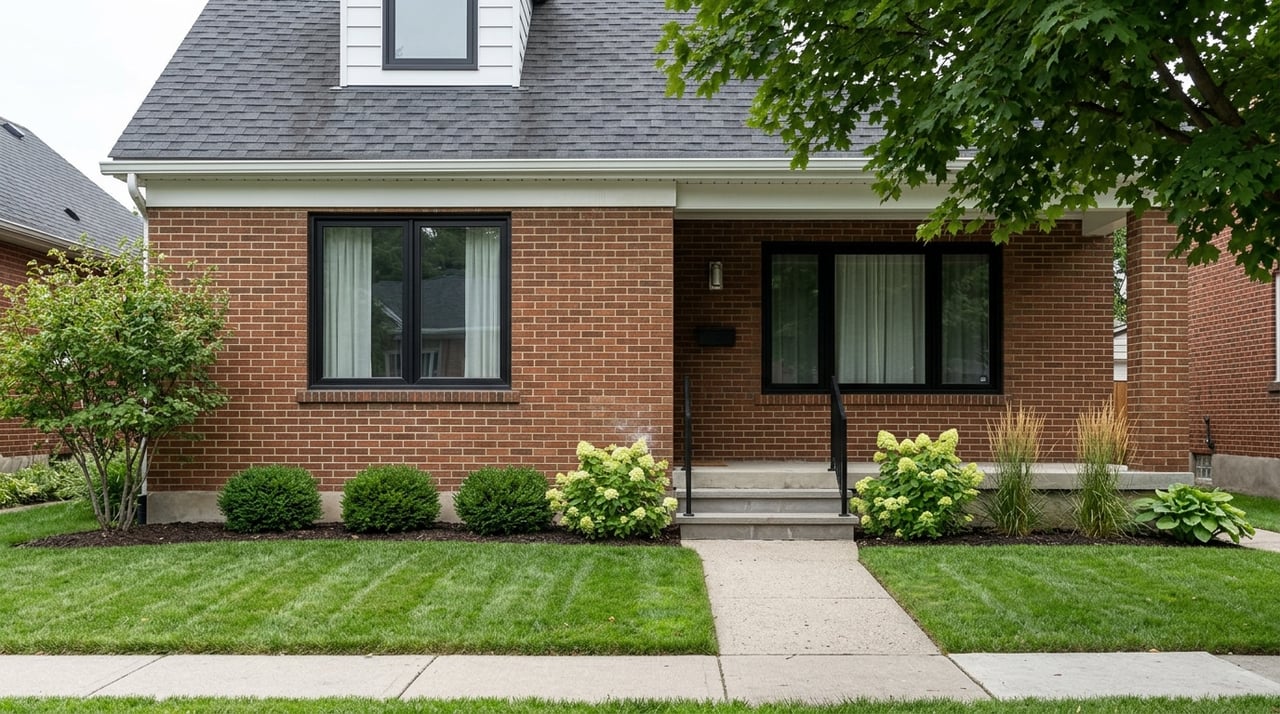
Many classic Royal Oak bungalows in the city’s 2024 residential sales file were built between 1947 and 1952. These homes often ranged from about 900 to 1,300 square feet, which makes them a practical option for buyers who want a lower total entry price or a smaller footprint.
Just as important, these homes are often part of the neighborhood setting many buyers picture when they think about Royal Oak. The city’s master plan describes neighborhood residential areas as single-family lots with detached homes, setbacks from the sidewalk, and significant tree canopy on both public and private property.
That combination can create a strong sense of place. If you want charm, mature trees, and a more established residential feel, a bungalow may check a lot of your boxes.
Bungalow price examples in Royal Oak
The 2024 sales file gives a helpful snapshot of what buyers paid for several bungalow-style homes:
- 3122 N Wilson Ave: 992 square feet, sold for $250,000, or $252.02 per square foot
- 1819 Ardmore Ave: 1,052 square feet, sold for $300,000, or $285.17 per square foot
- 3019 Ferris Ave: 1,086 square feet, sold for $385,000, or $354.51 per square foot
- 3031 N Blair Ave: 948 square feet, sold for $331,250, or $349.42 per square foot
- 3011 N Blair Ave: 949 square feet, sold for $350,000, or $368.81 per square foot
These examples show why broad assumptions can be risky. Even among similar older homes, price per square foot can vary a lot based on condition, updates, and exact location.
What a Royal Oak new build usually offers
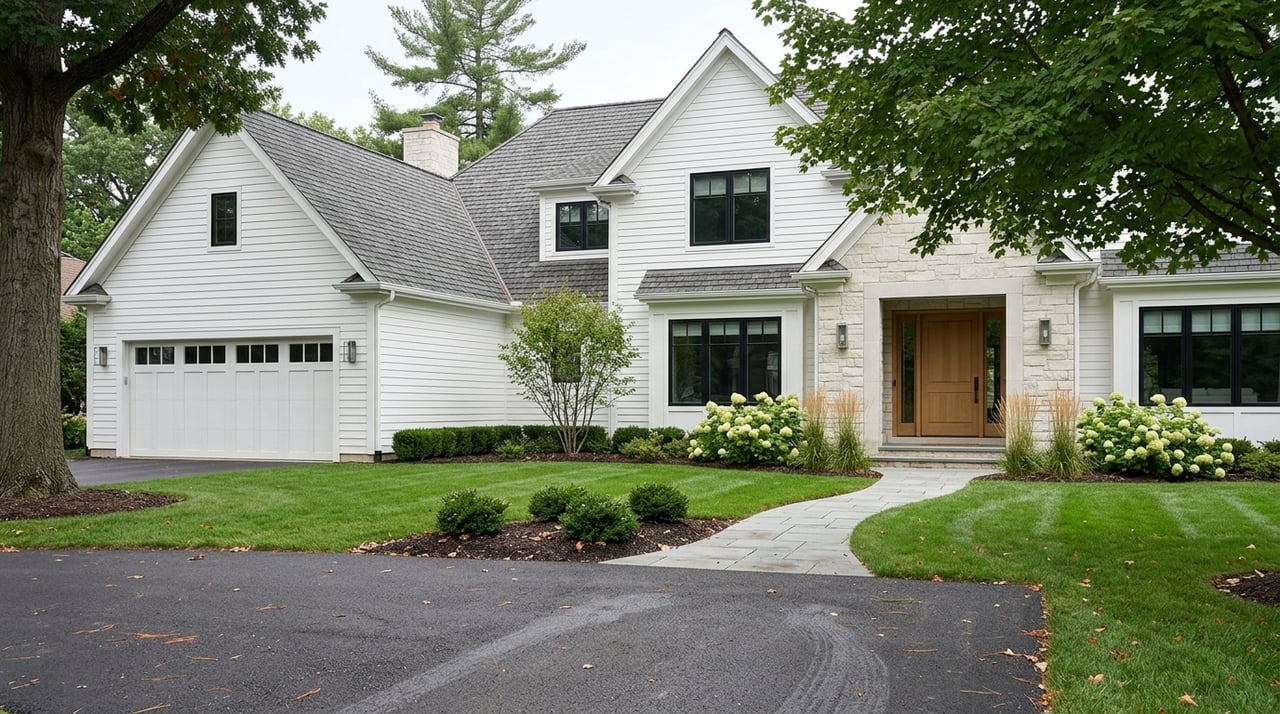
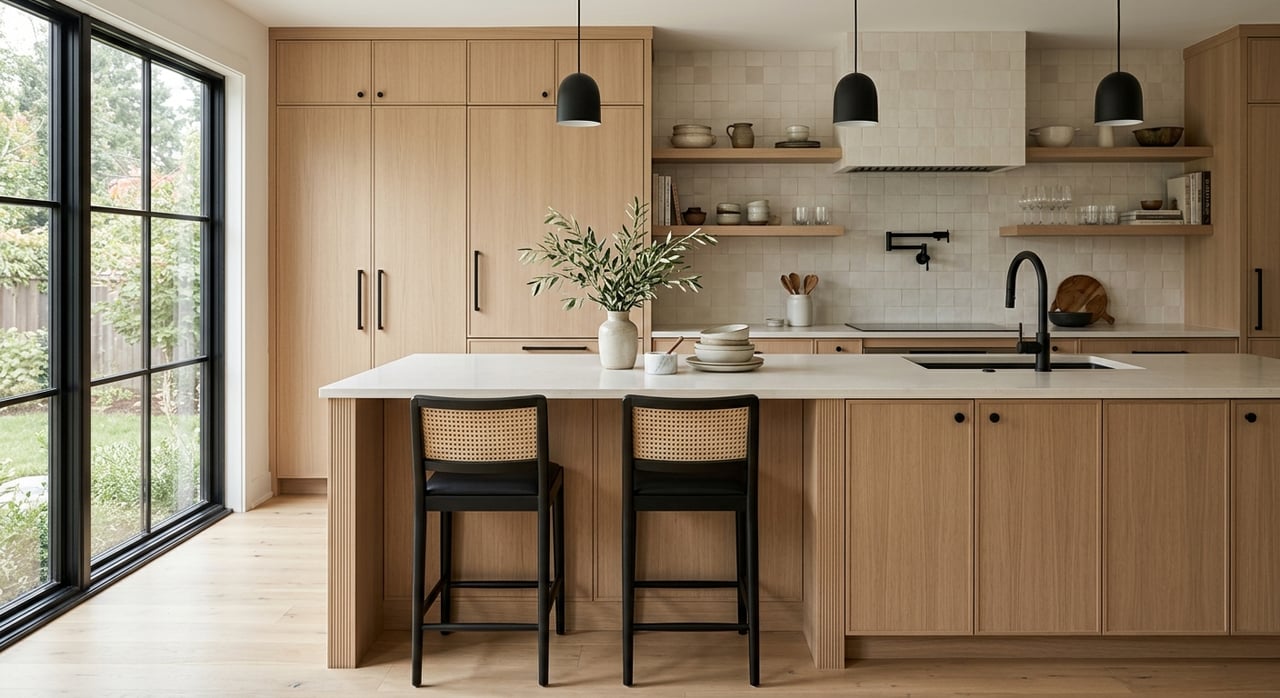
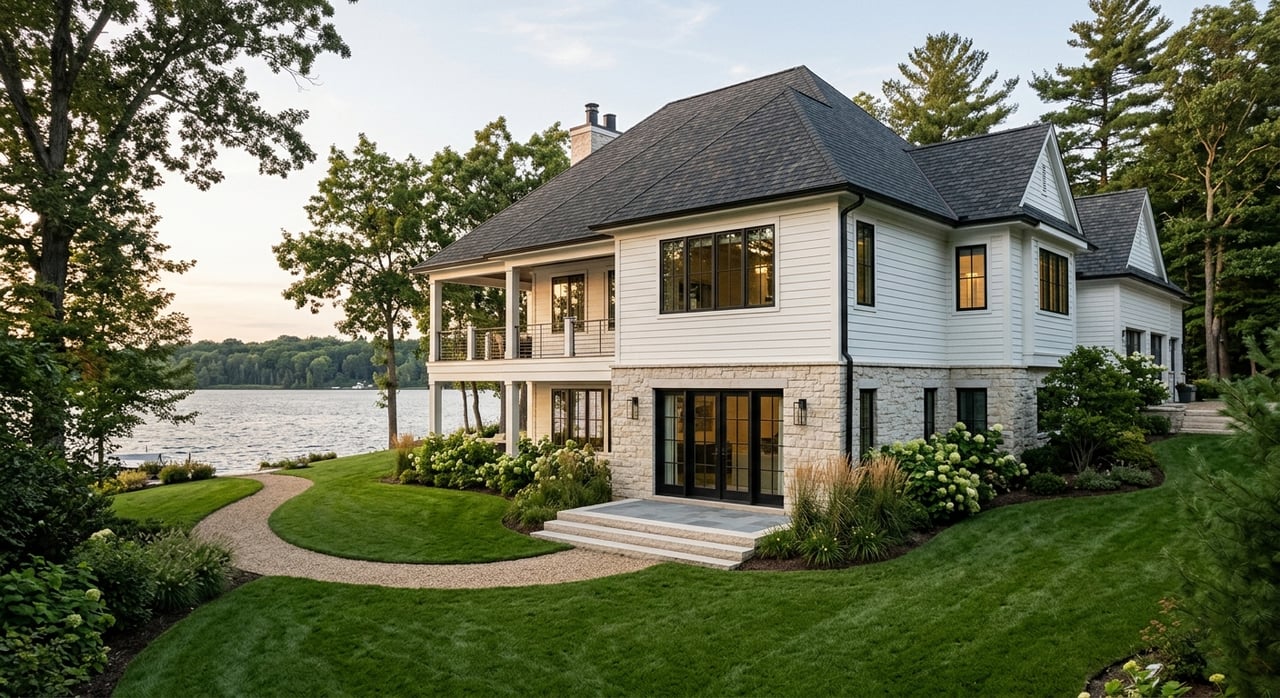
Newer homes in Royal Oak often appeal to buyers who want more space and a more turnkey setup. Infill and redevelopment projects can offer larger footprints, more bathrooms, and layouts that feel easier for modern day-to-day living.
A local example from the city’s 2024 sales file is 708 Wellesley Ave, a 2020 contemporary home with 2,294 square feet, 3 bedrooms, and 3.5 bathrooms. It sold for $575,000, or $250.65 per square foot.
The same city sales file also shows newer 2019 to 2020 Normandy units around $284 to $293 per square foot. That suggests newer homes can offer more square footage and newer systems without always commanding the highest price per square foot in the market.
New build does not always mean better walkability
One common mistake is assuming older automatically means more walkable and newer automatically means less walkable. In Royal Oak, that is too simple.
The city’s planning materials note that growth is being guided toward downtown, major roads, neighborhood edges, and nodes. They also note that some streets have sidewalks only at minimum width and that pedestrian improvements are needed in several active areas.
So if walkability matters to you, focus on the exact block and nearby destinations rather than the year the home was built. In Royal Oak, walkability is often a micro-location issue.
Maintenance and efficiency differences
This is where the bungalow versus new build decision often becomes very practical.
Older homes typically come with more retrofit potential and more ongoing maintenance questions. The EPA notes that homes built before 1978 are more likely to contain lead-based paint. The U.S. Department of Energy also notes that many older homes have less insulation than homes built today, and that insulation upgrades and air sealing are key ways to improve comfort and reduce energy bills.
That does not mean older homes are a bad choice. It means you should go in with a clear plan and realistic expectations if you are buying a home that may need updates over time.
Newer homes usually have an advantage on efficiency and immediate maintenance. ENERGY STAR says certified new homes and apartments are at least 10% more energy efficient than homes built to code and average about 20% better, while the Department of Energy notes that insulation and air sealing are more cost-effective during construction than through later retrofits.
Character versus convenience
At a high level, this decision often comes down to character plus location versus modern systems plus space.
A bungalow may be the better fit if you care most about the classic Royal Oak setting, an established block, and a home with personality. You may be more comfortable taking on projects over time if it means getting the location and feel you want.
A new build may be the better fit if you want a move-in-ready home with larger rooms, more baths, and fewer immediate repair concerns. You may be willing to trade some older-home character for convenience and a layout that fits today’s routines more easily.
How to compare homes the smart way
In Royal Oak, the better question is usually not “old or new?” It is: Which block, what size, and how much work is already done?
The city’s 2024 sales examples show that some renovated bungalows sold in the mid-$300s per square foot, while the newer 2020 contemporary example sold at $250.65 per square foot. That is a strong sign that age alone does not determine value.
Instead, compare homes using a more practical checklist:
- Exact location within Royal Oak
- Distance to downtown or neighborhood main streets
- Finished square footage
- Number of bedrooms and bathrooms
- Condition of major systems
- Level of renovation already completed
- Lot size and outdoor setup
- Expected maintenance in the first few years
This approach gives you a much more accurate view of fit and value than looking at the build year alone.
Which type of buyer fits each option
Buyers who may prefer bungalows
A bungalow can make sense if you want a smaller home in a close-in location and appreciate original character. It can also be a strong option if your budget works better with a lower total price and you are open to improvements over time.
This choice often fits buyers who care about the feel of the neighborhood first and see renovation or maintenance as part of the tradeoff. If you love mature trees, traditional setbacks, and established streetscapes, a bungalow may feel more like home.
Buyers who may prefer new builds
A new build often fits buyers who want easier day-one living. You may value a more functional floor plan, newer systems, more bathrooms, and fewer near-term projects.
This option can also work well if you want to balance walkability with modern construction. In Royal Oak, that usually means comparing infill homes in growth areas and well-placed redevelopment pockets rather than searching for a traditional subdivision pattern.
The bottom line in Royal Oak
Because Royal Oak is largely built out, this is rarely a simple old-versus-new debate. It is a decision about how you want to live, what kind of maintenance you are ready for, and which specific block gives you the best combination of location, layout, and value.
If you want charm, a strong neighborhood feel, and a smaller home in an established setting, a bungalow may be your best fit. If you want space, efficiency, and fewer immediate projects, a new build may be the smarter move.
The key is to compare the exact home, the exact block, and the exact renovation level before making a decision. If you want help weighing those tradeoffs in Royal Oak, the Logan Wert Real Estate Group can help you sort through the options with clear local guidance.
FAQs
Is a bungalow or new build cheaper in Royal Oak?
- It depends on the home, block, size, and level of updates. The city’s 2024 sales file shows that some renovated bungalows sold at a higher price per square foot than a newer 2020 home.
Are most new homes in Royal Oak part of large subdivisions?
- No. Royal Oak is largely built out, so new construction is usually small-pocket infill or redevelopment rather than large greenfield subdivision development.
Do older Royal Oak bungalows usually need more work?
- Often, yes. Older homes are more likely to need insulation, air sealing, or other upgrades over time, and homes built before 1978 are more likely to contain lead-based paint.
Is walkability better in older Royal Oak neighborhoods?
- Not always. In Royal Oak, walkability is often more about the specific block and nearby destinations than whether the home is older or newer.
What size are many Royal Oak bungalows?
- In the city’s 2024 residential sales examples, many bungalows were around 900 to 1,300 square feet and were built between 1947 and 1952.
What is the biggest difference between a Royal Oak bungalow and a new build?
- In simple terms, bungalows often offer more character and an established setting, while new builds often offer more space, newer systems, and fewer immediate maintenance concerns.