Feeling unsure about which contingencies to include when you write an offer in Royal Oak? You are not alone. Between older bungalows with character and condo buildings with HOA rules, it can be hard to balance protection and competitiveness. In this guide, you will learn what each contingency does, typical local timelines, and how to tailor your offer to Royal Oak’s market so you can move forward with confidence. Let’s dive in.
What a contingent offer means
A contingent offer is an agreement to buy a home if certain conditions are met. These conditions protect you from known risks like hidden defects, low appraisals, or loan issues. In Royal Oak, sellers often compare multiple offers, so your goal is to keep smart protections while showing you are serious and prepared.
Royal Oak market context
Royal Oak sits in an inner-ring, walkable suburb with older single-family neighborhoods and several condo developments near downtown. The area has rotated between balanced and seller-favored conditions. In popular pockets near downtown or for well-priced homes, sellers lean toward shorter timelines and fewer contingencies. In cooler moments, you can often hold fuller protections. The key is to match your contingency plan to current competitiveness on the specific property.
The four core contingencies
Inspection contingency
An inspection contingency lets you inspect the home, negotiate repairs or credits, or cancel within a set window. Typical timing is 5 to 10 calendar days after acceptance. In hot situations, sellers may prefer 3 to 5 days. If the first walkthrough raises concerns, plan time for specialty inspections.
What to expect in Royal Oak bungalows:
- Older electrical like knob-and-tube or limited service
- Galvanized plumbing or older service lines
- Basement moisture, settling, or unpermitted alterations
- Aging HVAC, water heaters, and roofs
- Chimney, masonry, insulation, and efficiency issues
Condo-specific notes:
- Unit-level issues are similar to a house, but roof, structure, or common HVAC are often HOA responsibilities
- You will rely on HOA documents to assess building condition and reserves beyond what an inspector can see
Use your inspection contingency as both a safety net and a negotiation tool. You can keep full rights, but focus requests on major health, safety, or system items if you want to stay competitive.
Appraisal contingency
An appraisal contingency protects you if the lender’s appraisal comes in below the agreed price. Timelines often align with the lender’s process, commonly 14 to 21 days. In rising-price areas or in remodeled homes pushing the market, appraisal gaps happen, and sellers may favor buyers who can cover some shortfall.
Common strategies:
- Keep the appraisal contingency and renegotiate if value is short
- Add an appraisal-gap clause that commits you to cover a defined amount of any shortfall
- Remove the appraisal contingency entirely only if you are comfortable with the risk and your lender supports your plan
Condo appraisals can be variable when there are few recent comparable sales in the same complex. Build time into your offer for the lender’s process.
Financing contingency
A financing contingency allows you to cancel if you cannot obtain a loan meeting the terms in your offer. Typical timing is 21 to 30 days for a lender commitment. A strong pre-approval from a local lender can help you shorten this window if the lender confirms they can meet a faster timeline in writing.
Key local factors:
- Condo underwriting can be stricter if the HOA is not FHA or VA approved or if reserves are weak
- Older bungalows with material defects may trigger lender repair requirements before closing
Know the difference between pre-approval and a firm commitment. Pre-approval shows initial qualification. A commitment confirms the lender has underwritten your file and is prepared to fund, subject to final conditions.
Home-sale contingency
A home-sale contingency means your purchase depends on selling your current property. In competitive settings, many sellers resist this. If accepted, you may see a kick-out clause, which allows the seller to keep marketing the home and give you a short window to remove your contingency if another offer appears.
Practical alternatives for Royal Oak move-up buyers:
- Use a kick-out clause with tight timelines
- Arrange bridge financing or a home equity line to reduce dependence on a sale
- Negotiate a longer close or a flexible possession period to allow overlap
Bungalows vs condos in Royal Oak
If you are buying a bungalow
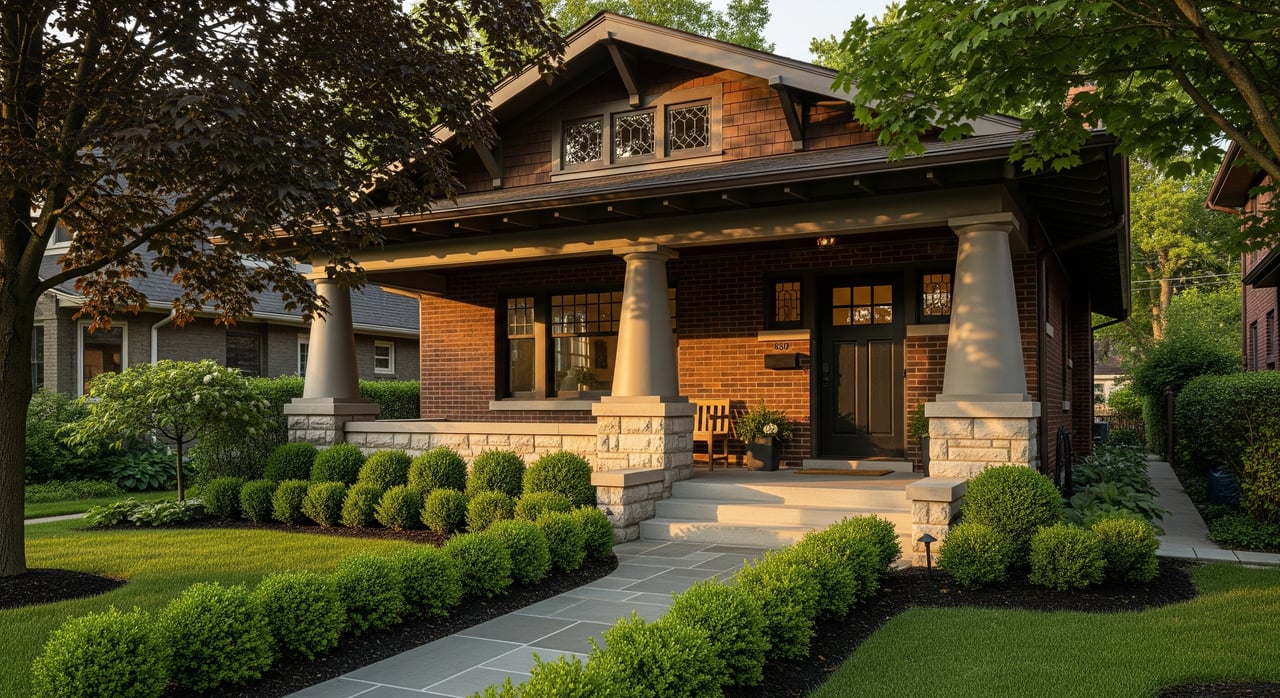
Expect a higher chance of inspection findings. Budget for repairs and updates that come with older systems and foundations. If your inspector flags material issues, your lender may require repairs before closing. In multiple-offer scenarios, buyers who keep an inspection contingency but compress it and bring strong financials tend to compete well.
If you are buying a condo
Your due diligence relies heavily on HOA documents. Review budgets, reserves, recent special assessments, insurance coverage, rental caps, and any pending litigation. Financing and appraisal can be more sensitive if the building is not approved for certain loan programs or if comparable sales are limited. Newer or well-managed buildings can still be competitive, so pair document review with clean timelines to stay attractive.
Offer strategies by buyer type
First-time buyers
You want strong protections without scaring off sellers. Try this playbook:
- Bring a strong local pre-approval and proof of funds for earnest money
- Keep a financing contingency, but shorten the commitment deadline only if your lender confirms they can deliver
- Keep inspection rights with a 7-day window, and limit requests to major items if competition is intense
- Avoid waiving appraisal unless you can cover a realistic gap with cash; consider a modest gap cap instead
- For condos, verify building eligibility for your loan type before tightening financing or appraisal terms
First-time buyers with limited reserves should be cautious about waiving core protections. Use timelines, not waivers, to show strength.
Move-up buyers
You are likely coordinating a sale and a purchase. Focus on timing and strategic risk control:
- If you need sale proceeds, structure a short home-sale contingency with a kick-out clause and tight removal period
- Consider bridge financing or plan for simultaneous closings with support from your lender and title team
- Increase earnest money, shorten inspection to 5 to 7 days, and keep financing but with a faster commitment target if your lender will confirm it in writing
- Think carefully before waiving appraisal if your down payment depends on sale proceeds
Contract tools that help you compete
- Earnest money. A larger deposit signals commitment. Follow local norms and understand that a higher deposit raises your default risk.
- Shorter contingency windows. Great for sellers, but line up your inspector and lender before you compress timelines.
- Appraisal-gap clause. Agree to cover a defined shortfall up to a cap. It balances risk and competitiveness.
- Inspection scope options. You can keep full inspection rights but focus requests on health, safety, and major systems, or write an as-is offer with inspection for information. Both increase your exposure to repair costs.
- Contingency removal. Consider removing a contingency only after favorable updates from your inspector and lender.
- Escalation clause. Useful for price, but it does not replace solid contingency strategy.
Sample timelines you can customize
Conservative template for a balanced market:
- Inspection contingency: 10 calendar days
- Financing contingency: 30 days to lender commitment
- Appraisal contingency: 21 to 28 days, aligned with lender
- Home-sale contingency: permitted with a 72 to 120 hour kick-out clause
Aggressive template for competitive situations:
- Inspection contingency: 3 to 5 days, with inspector pre-booked
- Financing contingency: 14 to 21 days, only if your lender confirms timing in writing
- Appraisal-gap clause: agree to cover up to a set dollar amount or percent of price
- Home-sale contingency: avoid if possible, or use strict kick-out terms
Condo add-ons:
- HOA document review period: 3 to 10 days, depending on complexity
- Request an estoppel or completed condo questionnaire early
- Verify loan program eligibility for the specific building before tightening financing terms
Pre-offer checklist
- Get a current pre-approval and a letter from your lender outlining expected timelines
- Call your inspector to confirm rapid availability
- For condos, arrange HOA documents to be delivered immediately after acceptance
- If selling, confirm your listing plan or bridge financing path
- Decide on your earnest money, inspection scope, and any appraisal-gap cap
Protect your downside and stay flexible
Shortening or waiving contingencies can win deals in Royal Oak, but these choices shift risk to you. Make sure your cash reserves, lender plan, and timelines fit the property and the market. Work with an inspector who understands older Michigan homes and an agent who can read HOA documents, coordinate lenders, and guide negotiations with precision.
Ready to buy in Royal Oak?
If you want a clear plan for your next offer, we are here to help you balance protection with speed. Connect with the team at Logan Wert Real Estate Group for local strategy, lender coordination, and an offer structure that earns a yes.
FAQs
What is a contingent offer in Royal Oak?
- It is an offer that includes conditions like inspection, appraisal, or financing that must be satisfied for the sale to close, which helps you manage risk while staying competitive.
How long should my inspection period be?
- In Royal Oak, 5 to 10 days is common. In hot situations, aim for 3 to 5 days only if your inspector is ready to go and you are comfortable with the pace.
What is an appraisal gap clause and why use it?
- It is a promise to cover a set amount of any shortfall if the appraisal comes in low. It helps you compete on price while capping your out-of-pocket exposure.
How do condo contingencies differ from houses?
- Condo due diligence relies on HOA documents like budgets, reserves, and insurance. Financing and appraisal can be stricter if the building lacks certain approvals or recent comparable sales.
Are home-sale contingencies accepted in Royal Oak?
- Sometimes, especially with a kick-out clause. In competitive listings, you may need alternatives like bridge financing, a longer close, or overlapping timelines.