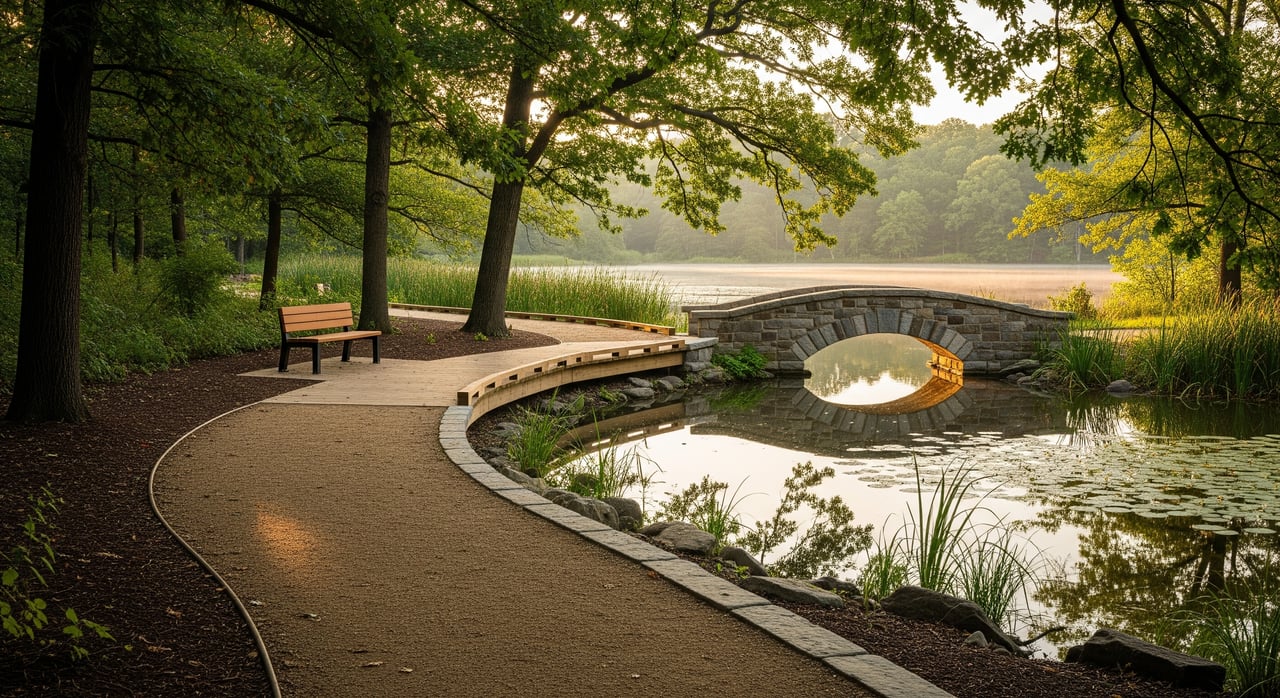
Love the idea of living where lakes and trails shape your daily routine? In West Bloomfield Township, water and green space are part of everyday life, from quick stroller walks to sunset paddles. If you are relocating or considering a move across Oakland County, it helps to understand how parks, trails, and public water access actually work here. This guide shows you what to expect, what to verify, and how to choose a neighborhood that fits your lifestyle. Let’s dive in.
Why outdoor access matters in West Bloomfield
West Bloomfield sits in a lake-rich corner of Oakland County with a suburban feel and easy access to nature. Cass Lake is widely recognized as the largest lake in the county, and nearby Orchard Lake is also a major landmark. These lakes influence everything from weekend plans to property characteristics, so you will want to factor them into your home search.
You will find a mix of township parks, county and regional sites, and private shoreline controlled by neighborhood associations. That variety is a strength for residents, but it also means rules differ by location. A little planning goes a long way.
Know who manages each park
Access, hours, and fees depend on the operator. In West Bloomfield, you will usually be dealing with one of these:
- West Bloomfield Township Parks and Recreation for township parks, programs, and permits.
- Oakland County Parks and Recreation for county parkland, launches, and trails.
- Huron-Clinton Metroparks for larger regional destinations within an easy drive.
- Michigan Department of Natural Resources for boating and fishing rules, lake information, and ice safety guidance.
Before you go, verify the site’s operator and current rules. This is especially important for boat launches, beaches, and winter activities.
Parks and waterfront options
Township community parks
Township-managed parks often include playgrounds, ballfields, picnic shelters, paved paths, and restrooms. They are great for quick after-school play or weekend gatherings. For each park you plan to visit, check:
- Hours, seasonal closures, and restroom availability
- Shelter reservation process and costs
- Parking rules and ADA access
- Dog policies, including leash requirements
Lakeshore access on Cass and Orchard Lakes
Public access points may include boat launches or day-use shoreline areas. Some locations allow trailer launches, others are hand-carry only. Designated public swim beaches and lifeguard coverage vary by site and season. Always confirm:
- Whether the access point is public and what types of watercraft are allowed
- Parking capacity and any launch or day-use fees
- If a designated swim area exists and whether lifeguards are on duty
- Current water quality advisories before swimming or letting pets in the water
Regional and county parks nearby
County and regional parks are popular for longer trail mileage, winter recreation, and nature viewing. Many families use these for weekend hikes, biking, sledding, or cross-country skiing when conditions allow. Verify whether a park pass is required, whether dogs are permitted on-leash, and which activities are in season.
Trails and daily connectivity
Paved multi-use paths
Expect a growing network of paved, multi-use routes designed for walking, running, and biking. These paths often feel comfortable for strollers and child bikes. Look for:
- Separated or signed crossings at busy roads
- Continuous segments that connect to libraries, schools, or shopping areas
- Winter maintenance status if you plan to use the path year-round
Natural-surface loops
Natural-surface trails provide a quieter experience for hiking, birding, and fall color. Surfaces can be uneven and may not suit all wheels. If you plan family outings, check difficulty ratings and recent user reports before you go.
Family-friendly short walks
Short neighborhood loops make it easy to fit in movement on busy days. Find 0.5 to 2 mile routes near subdivisions or community centers. For young riders, prioritize routes with sidewalks, limited road crossings, and good sightlines.
Seasonal activities and safety
- Spring to fall: walking, running, biking, picnicking, playground time, paddlecraft, and boating are popular. Confirm launch details, parking, and any permits before towing a trailer.
- Summer: day camps and community events often use township parks. If you plan to swim, always confirm whether the site has a designated public swim area and current advisories.
- Fall: leaf viewing and family hikes are a highlight. Trails are usually less crowded after school starts.
- Winter: ice fishing, sledding, and cross-country skiing may be available where permitted. Do not assume ice is safe. Always follow guidance from state and local authorities on ice thickness and closures.
For fishing, Michigan requires a valid fishing license. Verify lake-specific rules and current guidance with state or local sources before you head out.
Three lifestyle snapshots
Lakefront living, everyday
You start the morning with coffee on the dock and a short walk to a nearby park playground. Weekends include paddling or trail runs. This lifestyle depends on verifying your specific shoreline rights and any association rules. It is also smart to check nearby public launches, parking, and typical seasonal crowding.
Trail-adjacent convenience
You live near a paved, multi-use path. Daily walks, kid bike rides, and jogs happen without loading the car. You plan errands around safe crossings and use the path to reach community hubs. In winter, you check whether routes are plowed and where snow builds up at crossings.
Suburban cul-de-sac with drive-to parks
You prefer a quiet street and larger yard. After school, you drive 5 to 10 minutes to a township park for playground time and fields. On weekends, you head to a regional park for longer hikes. Your checklist includes parking availability, restrooms, shelter reservations, and the best times to avoid crowds.
Planning your visit: quick checklist
- Confirm the operator for each park or launch and review current rules.
- Check hours, seasonal closures, and restroom access.
- Verify dog policies, including leash requirements and waste stations.
- For water access, confirm trailer vs hand-carry launches, fees, and parking.
- If swimming, confirm designated public swim areas and current advisories.
- If fishing, confirm license requirements and local regulations.
- For winter activities, consult official ice safety guidance and closure notices.
- Have a backup plan for weather, high water, or seasonal maintenance.
How to choose the right neighborhood
Think about how you want to use parks and lakes during a typical week. Do you value a quiet stroll after dinner, a quick playground, or direct water access for boating and paddling? Consider the trade-offs among lakefront properties, trail-access homes, and traditional subdivisions. Each offers a different mix of access, privacy, and maintenance.
A local advisor can help you map walking routes, identify likely drive times during peak seasons, and understand how access type and proximity influence property options. If you want a lifestyle built around lakes and trails, an informed plan will get you there.
Ready to align your home search with the outdoor life you want? Connect with the team at Logan Wert Real Estate Group for local guidance tailored to your goals.
FAQs
Are there public beaches on Cass Lake or Orchard Lake?
- Some locations provide public shoreline or launch access, but designated public swim areas and lifeguard coverage vary by site and season. Always confirm the operator’s current rules before you go.
Where can you launch a boat in West Bloomfield?
- Public launches exist in and around the township, with different rules for trailer vs hand-carry craft, fees, and parking. Verify the specific launch operator’s requirements and current availability before towing.
Are West Bloomfield trails continuous for errands or school trips?
- Many paved paths connect neighborhoods to community hubs, but continuity and crossings vary. Review maps for safe routes, note busy road crossings, and plan alternatives during winter or construction.
Can your dog go off leash in local parks?
- Most parks require dogs to be on leash unless an area is specifically designated otherwise. Check posted rules at each site before visiting.
Is it safe to skate or ice fish on local lakes in winter?
- Ice conditions change quickly. Follow official ice safety guidance from state and local authorities and check current advisories before heading out.